

As propriedades benéficas para a saúde de vários óleos vegetais são reconhecidas há séculos. O mercado oferece uma vasta seleção, e encontrar um suplemento à base de óleo que se adapte às suas necessidades específicas é mais fácil do que nunca. Um exemplo perfeito é o óleo de semente preta — também conhecido como óleo de cominho preto. O seu nome é amplamente reconhecido, mas sabe realmente como funciona e em que pode ajudar? Vamos dar uma olhadela mais de perto. O que é o óleo de semente preta e o que contém? Os benefícios para a saúde do óleo de semente preta já eram conhecidos pelos antigos. Era utilizado no Egito faraónico, mencionado no Antigo Testamento, e referido nos escritos de médicos gregos antigos, incluindo Hipp Sócrates. Não é por acaso que o óleo de semente preta ganhou nomes tão distintos como «ouro líquido» e «ouro dos faraós».
O óleo é extraído das sementes de Nigella sativa, uma planta com flores nativa do sul da Europa, da Ásia Ocidental, e do Norte de África, embora seja agora cultivada em muitas regiões em todo o mundo. A planta produz delicadas flores azuis ou brancas, seguidas de pequenos cachos de sementes pretas características — a fonte do seu precioso óleo. O que torna o óleo de semente preta tão benéfico? A resposta reside, em grande parte, na sua composição. Aproximadamente 85% do óleo é constituído por UNS ácidos gordos saturados — as gorduras ómega essenciais de que o seu corpo necessita. Estes incluem ácido linoleico (ómega-6), ácido oleico (ómega-9), e ácido alfa-linolénico (ómega-3). Este perfil de ácidos gordos, por si só, torna-o um poderoso suplemento nutricional. Além disso, o óleo de semente preta, contém vitamina E (, um potente antioxidante), , biotina, , esteróis vegetais, e uma variedade de micronutrientes benéficos. Para quem procura complementar a sua ingestão de ácidos gordos, a nossa coleção de óleo de peixe e ómegas oferece opções adicionais.
Propriedades benéficas para a saúde do óleo de semente preta
Graças à sua rica composição química, o óleo de semente preta pode apoiar o organismo de inúmeras formas. O seu benefício mais amplamente reconhecido é o seu potencial para fortalecer o sistema imunitário. Tanto o uso tradicional como o moderno sugerem que pode ajudar o organismo a manter as suas defesas naturais, tornando-o uma escolha popular durante as mudanças sazonais.
A investigação e o uso tradicional apontam para várias áreas-chave em que o óleo de semente preta pode ser benéfico:
- Apoio imunitário — pode ajudar a desenvolver e a manter a resiliência natural do organismo
- Conforto respiratório — tradicionalmente utilizado para aliviar sintomas associados a alergias sazonais e desconforto nos seios nasais
- Saúde digestiva — pode ajudar no caso de inchaço ocasional, gases, indigestão, e desconforto gástrico geral
- Condições da pele — as suas propriedades anti-inflamatórias podem ajudar quem sofre de pele irritada ou sensível
- Controlo da dor — tradicionalmente utilizado para ajudar a aliviar o desconforto menstrual e apoiar um ciclo regular
- Apoio à lactação — algumas fontes tradicionais sugerem que pode ajudar a apoiar a produção de leite em mães que amamentam
Se estiver interessado num apoio imunológico mais abrangente, explore a nossa secção dedicada suplementos para o sistema imunitário para uma gama de produtos cuidadosamente selecionados.
Óleo de semente preta nos cuidados com a pele
Para além do uso interno, o óleo de semente preta ganhou uma sólida reputação nos cuidados naturais com a pele. A sua composição única torna-o particularmente adequado para tratar problemas comuns da pele. O óleo pode ajudar a controlar imperfeições, caspa, e pele escamosa graças às suas propriedades antibacterianas e antifúngicas. Também pode ajudar a regular a produção excessiva de sebo, tornando-o um complemento útil para rotinas de cuidados com a pele oleosa ou mista. Para a pele madura, o óleo de semente preta oferece suporte antioxidante que pode ajudar a retardar os sinais visíveis do envelhecimento. O seu teor de vitamina E contribui para combater os radicais livres, enquanto os seus ácidos gordos ajudam a manter a pele nutrida, suave e flexível. Quem procura um apoio abrangente para a pele também pode beneficiar dos nossos suplementos para o cabelo, pele e unhas.


Aliness
Aliness Óleo de semente de cominho preto 2% 1000 mg - 60 cápsulas
Preço normal €13.19Preço unitário€0.22 cada item


Now Foods
Now Foods Vitamina E-400 com Tocoferóis Mistos - 100 Cápsulas de Gel
Preço normal €15.89Preço unitário€0.16 cada item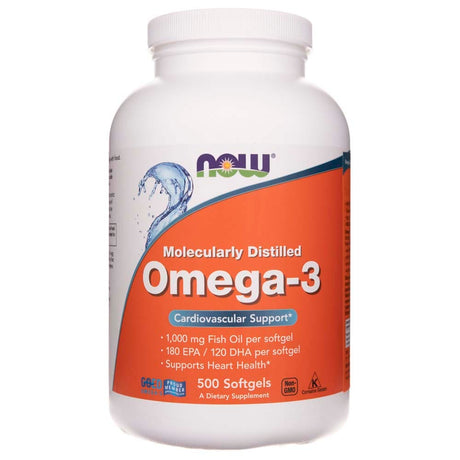


Now Foods
Now Foods Ómega-3, 180 EPA / 120 DHA - 500 Cápsulas de Gel
Preço normal €49.19Preço unitário€0.10 cada item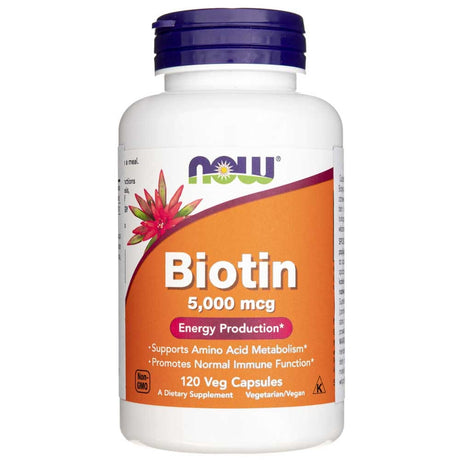


Now Foods
Now Foods Biotina 5000 mcg - 120 Cápsulas Veg
Preço normal €12.99Preço unitário€0.11 cada item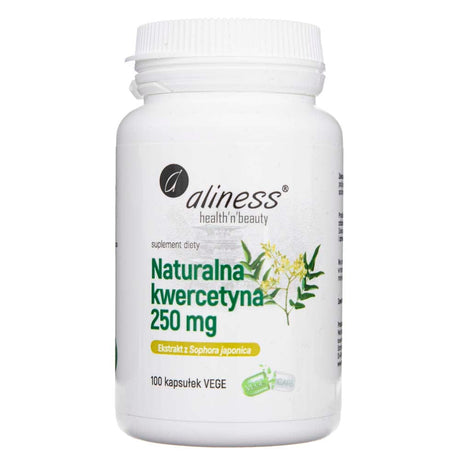


Aliness
Aliness Quercetina Natural 250 mg - 100 Cápsulas Veg
Preço normal €16.59Preço unitário€0.17 cada item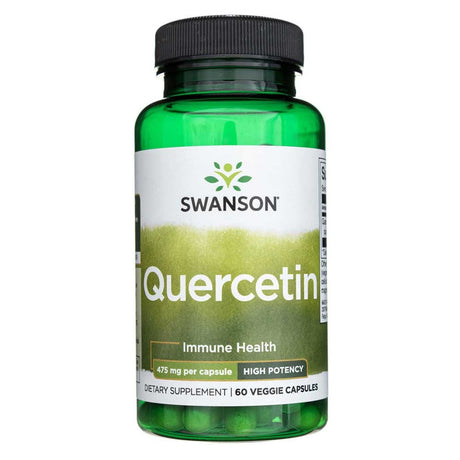


Swanson
Swanson Quercetina 475 mg - 60 Cápsulas Veg
Preço normal €19.79Preço unitário€0.33 cada item


Como tomar óleo de semente preta
Uma das vantagens do óleo de semente preta é que pode ser introduzido gradualmente e ajustado de acordo com a idade. As recomendações tradicionais gerais sugerem as seguintes quantidades diárias:
- Idades 1–2 — ¼ de colher de chá por dia
- Idades 2–4 — ½ colher de chá por dia
- Idades 5–15 — 1 colher de chá por dia
- Idades 15 e acima — 2 colheres de chá (ou 1 colher de sopa) por dia
O óleo de semente preta tem um sabor característico, ligeiramente apimentado e terroso que nem todos apreciam de imediato. Para torná-lo mais palatável, pode misturá-lo com sumo de fruta acabado de espremer ou uma colher de mel. Para melhores resultados, tome-o com o estômago vazio, na sua primeira refeição, ou à noite, antes de se deitar.
Como escolher um óleo de semente preta de qualidade
Nem todos os óleos de semente preta oferecem o mesmo nível de qualidade. Ao comprar este suplemento, tenha em mente os seguintes critérios:
- Frescura — verifique sempre as datas de produção e de validade; o óleo mais fresco retém mais dos seus compostos ativos
- Frasco de vidro escuro — protege o óleo da degradação causada pela luz e preserva a sua potência
- Prensado a frio — extraído a temperaturas inferiores a 40 °C para manter o seu delicado perfil nutricional
- Não filtrado e não refinado — o processamento mínimo garante que o óleo mantenha todo o seu espectro de substâncias benéficas
Depois de aberto, o óleo de semente preta deve ser guardado no frigorífico para preservar as suas propriedades e prolongar o seu prazo de validade. O armazenamento adequado tem um impacto direto na eficácia do óleo.
Quem deve evitar o óleo de semente preta?
Apesar dos seus muitos benefícios, o óleo de semente preta não é adequado para todas as pessoas. Existem várias contraindicações importantes a ter em conta:
Pressão arterial baixa: O óleo de semente preta pode ter um efeito redutor da pressão arterial. Indivíduos com hipotensão devem evitá-lo ou consultar um médico antes de o utilizar.
Gravidez: Embora as mães que amamentam possam beneficiar do óleo, este não é recomendado durante a gravidez. O óleo de semente preta tem propriedades antiespasmódicas que, teoricamente, poderiam interferir com as contrações uterinas, o que pode representar riscos durante a gravidez.
Um suplemento natural comprovado pelo tempo
O óleo de semente preta é um daqueles raros suplementos naturais que resistiu ao teste de milénios. Desde as antigas tumbas egípcias até às rotinas de bem-estar modernas, a sua rica composição de ácidos gordos ómega, vitamina E, e compostos bioativos continua a atrair a atenção de pessoas preocupadas com a saúde em todo o mundo. Quer pretenda reforçar o seu sistema imunitário, melhorar a sua pele ou simplesmente adicionar um poderoso antioxidante à sua rotina diária, o óleo de semente preta pode ser um valioso aliado natural. Explore a nossa coleção completa de suplementos à base de ervas para descobrir mais soluções à base de plantas comprovadas pelo tempo para o seu bem-estar.
Conclusão principal: O óleo de semente preta, rico em ácidos gordos ómega e vitamina E, é um suplemento versátil com uma história que se estende por mais de 3, 000 anos. Escolha óleo não refinado prensado a frio em frasco de vidro escuro para uma qualidade ideal e consulte sempre um profissional de saúde antes de usar, caso esteja grávida ou a tratar de uma condição de saúde.
Este artigo tem carácter meramente informativo e não substitui o aconselhamento médico. Em caso de problemas de saúde, gravidez, amamentação ou toma de medicamentos, consulte um médico ou farmacêutico. Os suplementos alimentares não substituem um regime alimentar variado.


