

Os preservativos são amplamente considerados um dos métodos contraceptivos mais práticos. A sua popularidade mantém-se forte, apesar das estatísticas que classificam outros métodos como mais eficazes em termos de eficácia pura — e por boas razões. Os preservativos oferecem proteção contra infeções sexualmente transmissíveis (IST), são rápidos e fáceis de usar, e não têm impacto na sua saúde. Muito poucos outros métodos contraceptivos podem afirmar tudo isso. Para tirar o máximo partido desta forma fiável de proteção, no entanto, é útil compreender como escolher o preservativo certo para si.
Por que o tamanho do preservativo é mais importante do que pensa
Uma rápida olhadela na embalagem dos preservativos pode sugerir que um tamanho serve para todos — afinal,, o comprimento e a largura raramente são indicados na frente da caixa. E qualquer pessoa que já tenha esticado um preservativo na mão sabe o quão elástico o látex pode ser. No entanto, o tamanho faz uma enorme diferença quando se trata tanto de segurança como de conforto.
As medidas fundamentais são o comprimento e Nominal a largura (a largura quando estendido). Um comprimento adequado garante que o preservativo cubra todo o corpo do pénis — essencial para uma proteção fiável. A largura, por outro lado, determina o conforto. Um preservativo demasiado apertado pode parecer restritivo e desconfortável, enquanto um demasiado largo corre o risco de escorregar durante a relação sexual — frustrando completamente o seu objetivo. Estas especificações são normalmente impressas na parte de trás ou na lateral da embalagem.
A maioria dos fabricantes baseia o seu tamanho padrão num comprimento médio em ereção de aproximadamente 14 centímetros. A largura, no entanto, varia consideravelmente — mesmo dentro da mesma marca, diferenças de um a vários milímetros são comuns, e estas pequenas variações afetam genuinamente o ajuste. Para quem precisa de mais espaço, os preservativos XL ou de tamanho grande oferecem maior comprimento e largura. No entanto, escolher um preservativo de tamanho grande por motivos que não sejam uma necessidade genuína é contraproducente — um preservativo folgado é um risco para a segurança.
Tipos de preservativos e as suas utilizações
A variedade de preservativos disponíveis Toda vai muito além da proteção básica. Os preservativos modernos evoluíram para uma categoria diversificada que pode melhorar ativamente a experiência de ambos os parceiros. Aqui estão alguns dos tipos mais populares:
Preservativos com sabor
Os preservativos com sabor são concebidos principalmente para sexo oral, adicionando um sabor agradável que torna a experiência mais prazerosa. São também populares entre casais curiosos que simplesmente querem experimentar algo diferente. A gama de sabores disponíveis — desde morango e cereja a menta e chocolate — continua a crescer.
Preservativos texturados e com nervuras
Os preservativos com nervuras, pontos, ou outras texturas são concebidos para proporcionar estimulação adicional ao parceiro passivo. Desempenham uma função semelhante às mangas de silicone, mas num formato muito mais prático. As texturas variam significativamente entre marcas e modelos, pelo que vale a pena experimentar vários para descobrir o que funciona melhor. Uma nota importante: os preservativos texturados devem ser evitados se algum dos parceiros tiver sofrido recentemente de inflamação ou irritação na zona genital, uma vez que as superfícies salientes podem causar desconforto adicional.
Preservativos ultrafinos e extra-seguros
Estas duas categorias situam-se em extremos opostos do espectro. Os preservativos extra-seguros apresentam uma parede de látex mais espessa, oferecendo maior tranquilidade para quem se preocupa com a possibilidade de ruptura. Uma vantagem menos conhecida é que a sensação ligeiramente reduzida também pode ajudar a prolongar a relação sexual. Os preservativos ultrafinos, por outro lado,, utilizam uma camada de látex mais fina, mantendo a mesma resistência à tração — o resultado é uma sensação mais natural que muitos utilizadores preferem. Ambos os tipos são rigorosamente testados para cumprir as mesmas normas de segurança.
Preservativos aquecedores, refrescantes, e especiais
A gama estende-se ainda mais — preservativos aquecedores que criam uma suave sensação de calor, variantes refrescantes para um efeito de formigueiro, e modelos «pele real» concebidos para imitar a sensação do contacto pele com pele. A criatividade dos fabricantes continua a expandir as opções disponíveis.
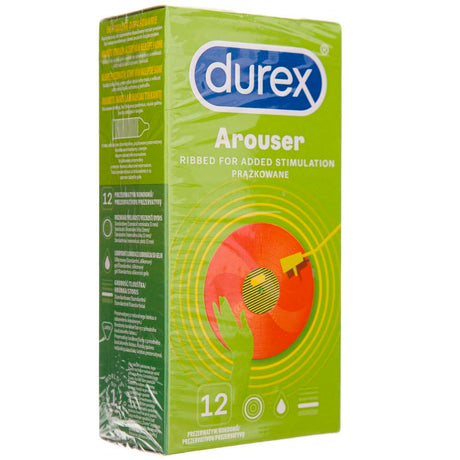


Durex
Durex Preservativos com nervuras estimulantes - 12 unidades
Preço normal €7.89Preço unitário€0.66 cada item


Durex
Durex Preservativos Extra Seguros e Mais Grossos - 12 unidades
Preço normal €8.79Preço unitário€0.73 cada item

Pasante
Preservativos Pasante Adore Flavours - 18 unidades
Preço normal €4.19Preço unitário€0.23 cada item

Pasante
Preservativos Pasante King Size XL - 12 unidades
Preço normal €4.89Preço unitário€0.41 cada item

Durex
Durex Preservativos Feel Ultra Thin - 10 unidades
Preço normal €7.19Preço unitário€0.72 cada item


Contra o que os preservativos protegem?
Os preservativos têm uma dupla função: prevenir gravidezes indesejadas e servir de barreira contra infeções sexualmente transmissíveis. A lista de ISTs contra as quais os preservativos ajudam a proteger é substancial e inclui sífilis, clamídia, gonorreia, VIH (, o vírus que causa a SIDA), hepatite viral, e infeções fúngicas. A sífilis é considerada uma das mais perigosas, uma vez que os casos não tratados podem levar a complicações graves, incluindo perda de visão e danos neurológicos. As infecções fúngicas, embora menos ameaçadoras no imediato, requerem um tratamento prolongado e são propensas a recidivas.
Vale a pena notar que os preservativos não oferecem proteção total contra o HPV (, o papilomavírus humano), porque o vírus pode ser transmitido através do contacto com a pele em áreas não cobertas pelo preservativo — tais como o escroto, o períneo, e a pele circundante.
Quão eficazes são os preservativos?
Quando utilizados de forma correta e consistente, os preservativos oferecem uma proteção contraceptiva fiável. No entanto, nenhum método é 100% eficaz. A taxa de falha dos preservativos é a seguinte:
- Utilização correta e consistente — 2 a 4 gravidezes por cada 100 casais ao longo de 12 meses
- Utilização típica (, incluindo erros ocasionais) — 12 a 15 gravidezes por 100 casais ao longo de 12 meses
A diferença entre estes números destaca a importância de uma técnica adequada. Erros comuns incluem armazenamento incorreto, utilização de produtos expirados, colocação do preservativo demasiado tarde, e utilização de lubrificantes à base de óleo com preservativos de látex (, o que pode enfraquecer o material).
Os preservativos modernos apresentam cada vez mais um revestimento espermicida no interior, o que proporciona uma camada adicional de prevenção da gravidez. Este espermicida incorporado é mais prático do que os cremes espermicidas separados e contribui para as taxas de eficácia cada vez melhores da utilização do preservativo.
Preservativos sem látex — Opções para quem sofre de alergias
A alergia ao látex é mais comum do que muitas pessoas imaginam, e, para quem é afetado, pode tornar o uso de preservativos verdadeiramente desconfortável ou mesmo impossível com produtos padrão. Felizmente, o mercado oferece agora uma vasta seleção de preservativos sem látex fabricados com materiais alternativos — mais frequentemente poliisopreno — que proporcionam a mesma resistência e fiabilidade que o látex tradicional.
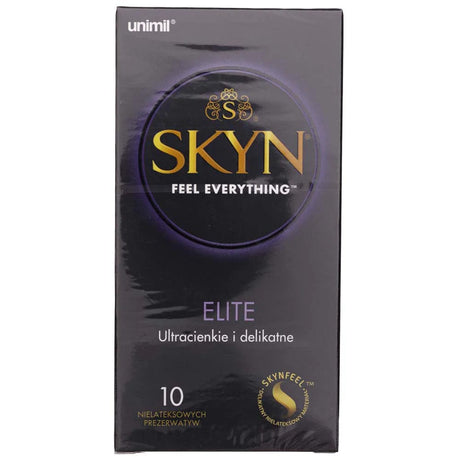
Muitos modelos sem látex também estão disponíveis em variantes ultrafinas, o que significa que quem sofre de alergias já não tem de comprometer a sensação. A gama Skyn, por exemplo, é fabricada inteiramente em poliisopreno e tornou-se uma das opções sem látex mais populares na Europa.



Pasante
Preservativos Pasante Silk Thin - 12 unidades
Preço normal €6.29Preço unitário€0.52 cada item


Explore a gama completa de preservativos disponíveis na Medpak — desde os clássicos e ultrafinos aos texturados, com sabor, e opções sem látex — na nossa coleção de preservativos. Para produtos complementares, incluindo lubrificantes e produtos de higiene íntima, visite a secção de lubrificantes e produtos de higiene íntima .
Conclusão principal: O preservativo certo combina o ajuste adequado, o tipo certo para a ocasião, e a utilização correta. Com a vasta gama de tamanhos, texturas, materiais e características da y, existe um preservativo para todos os gostos — tornando o sexo seguro confortável, agradável e acessível a todos.
Este artigo tem carácter meramente informativo e não substitui o aconselhamento médico. Em caso de problemas de saúde, gravidez, amamentação ou toma de medicamentos, consulte um médico ou farmacêutico. Os suplementos alimentares não substituem um regime alimentar variado.


