

Estudos recentes demonstram consistentemente que a maioria das pessoas não obtém Enough magnésio apenas através da alimentação. Os estilos de vida modernos e o elevado consumo de café só vêm agravar a situação, uma vez que ambos os fatores aceleram a excreção de magnésio do organismo. No entanto, uma deficiência de magnésio vai muito além das cãibras musculares dolorosas — embora estas possam, sem dúvida, ser debilitantes. A insuficiência de magnésio tem sido associada à asma, doenças cardiovasculares, diabetes, enxaquecas e até mesmo à depressão. Isto torna essencial não só a suplementação de magnésio, mas, crucialmente, a escolha da forma correta. O que procurar ao escolher um suplemento de magnésio Nem todos os suplementos de magnésio são iguais. À primeira vista, o elemento pode parecer o mesmo em todos os produtos, mas a quantidade de magnésio por comprimido não é um indicador fiável da quantidade que o seu corpo irá realmente absorver. Optar por produtos que prometem 100%, 200%, ou mesmo 300% da dose diária recomendada pode parecer uma boa ideia — mas, na realidade, é a forma do magnésio que determina a sua biodisponibilidade e, em última análise, a quantidade do mineral que é aproveitada pelo organismo. Então, a que deve prestar atenção? Em primeiro lugar, verifique a percentagem de iões de magnésio elementar por dose. A investigação sugere que a melhor absorção ocorre quando são administrados aproximadamente 120 mg de iões de magnésio numa única dose — o que também explica por que razão tomar doses muito elevadas de uma só vez não é necessariamente mais eficaz. Em segundo lugar, considere suplementos que incluam vitamina D3, que melhora a absorção e a biodisponibilidade do magnésio, e vitamina B6, que reduz a excreção de magnésio pela urina. No entanto, o fator mais importante na escolha de um suplemento de magnésio é o tipo de sal — por outras palavras, a forma específica de magnésio que contém. A absorção ideal de magnésio ocorre com cerca de 120 mg de magnésio elementar por dose. Em vez de tomar uma dose única elevada, considere dividir a sua ingestão diária em duas ou três doses mais pequenas para obter melhores resultados.]
As formas de magnésio de melhor absorção
Citrato de magnésio
O citrato de magnésio é o líder indiscutível no que diz respeito à biodisponibilidade. A sua taxa de absorção varia entre aproximadamente 25% e até 90%, tornando-o a forma de magnésio mais bem absorvida disponível no mercado. Esta impressionante biodisponibilidade resulta da combinação do ácido cítrico com três moléculas de magnésio, criando um suplemento altamente eficiente e económico. É a forma mais utilizada para a suplementação geral de magnésio.
Uma consideração importante: o ácido cítrico tem um efeito laxante suave. Isto torna o citrato de magnésio uma excelente escolha para indivíduos que sofrem de obstipação ou movimentos intestinais lentos, mas pode não ser ideal para aqueles que tendem a ter fezes moles.
Lactato de magnésio
O lactato de magnésio é outra forma altamente biodisponível, com taxas de absorção apenas ligeiramente inferiores às do citrato. Como sal orgânico, apresenta naturalmente uma elevada biodisponibilidade, e aproximadamente 12% da sua massa é constituída por magnésio elementar — tornando-o eficiente na administração do mineral. Uma vantagem significativa do lactato de magnésio é o seu efeito mais suave no sistema digestivo, com muito menos efeitos secundários gastrointestinais do que muitas outras formas. Isto torna-o uma escolha particularmente boa para crianças e para qualquer pessoa com um estômago sensível.
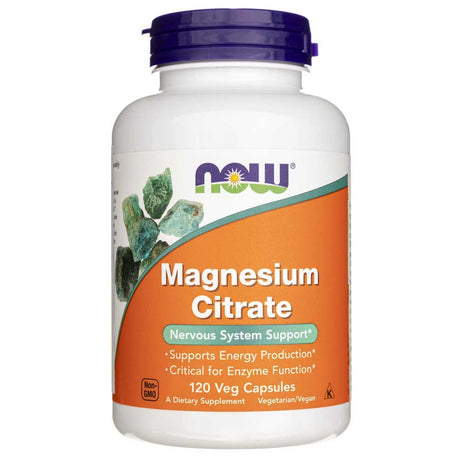


Now Foods
Now Foods Citrato de Magnésio 400 mg - 120 Cápsulas Veg
Preço normal €17.99Preço unitário€0.15 cada item


Aliness
Aliness Citrato de Magnésio 125 mg com B6 - 100 Cápsulas
Preço normal €11.09Preço unitário€0.11 cada item
Swanson
Swanson Lactato de Magnésio 84 mg - 120 Cápsulas
Preço normal €14.09Preço unitário€0.12 cada item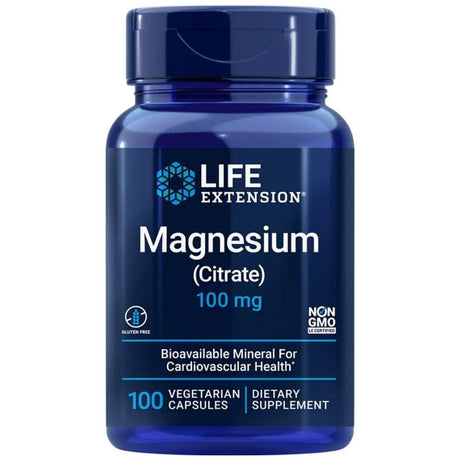

Life Extension
Life Extension Magnésio (Citrato) 100 mg - 100 Cápsulas Veg
Preço normal €13.39Preço unitário€0.13 cada item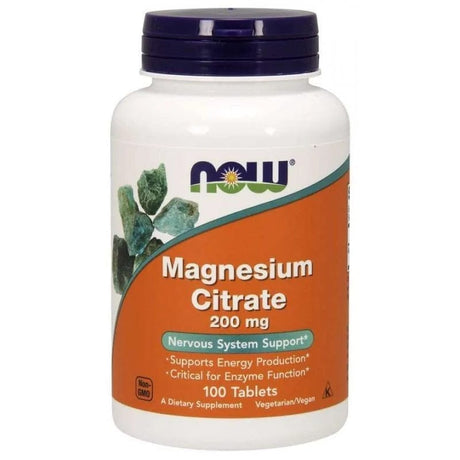
Now Foods
Now Foods Citrato de Magnésio 200 mg - 100 Comprimidos
Preço normal €19.59Preço unitário€0.20 cada item


Bem-Formas de magnésio de fácil absorção
Cloreto de magnésio
O cloreto de magnésio é invulgar na medida em que, apesar de ser um composto inorgânico, apresenta níveis de absorção comparáveis aos sais de magnésio orgânicos — tornando-o a melhorforma inorgânica de magnésio mais bem absorvida disponível. Embora contenha apenas cerca de 12% de magnésio elementar, a sua rápida taxa de absorção coloca-o no topo da lista de formas suplementares eficazes. O cloreto de magnésio também apoia a função renal e pode ajudar a acelerar um metabolismo lento. No entanto,, indivíduos propensos a refluxo ácido devem ter cuidado,, pois o cloreto de magnésio pode agravar os sintomas de refluxo.
L-treonato de magnésio
O L-treonato de magnésio é uma forma relativamente nova e cada vez mais popular. Trata-se de um composto de magnésio quelatado ligado a duas moléculas de treonato — um metabolito da vitamina C. As pesquisas até à data sugerem boa biodisponibilidade e efeitos secundários gastrointestinais mínimos. No entanto, o que realmente distingue esta forma é a sua capacidade única de atravessar a barreira hematoencefálica, aumentando potencialmente a concentração de magnésio diretamente no cérebro. Isto torna o treonato de magnésio uma excelente opção para apoiar o sistema nervoso, a função cognitiva, e a gestão do stress e da ansiedade.
Malato de magnésio
O malato de magnésio combina magnésio com ácido málico — um composto produzido naturalmente durante os processos metabólicos. A sua biodisponibilidade atinge aproximadamente 30%. O ácido málico está envolvido no ciclo de produção de energia do organismo, o que confere ao malato de magnésio uma vantagem particular para indivíduos que lidam com fadiga e baixos níveis de energia. É uma escolha popular entre pessoas ativas que procuram tanto a reposição de magnésio como um aumento natural de energia.
Quelato de magnésio (Glicinato / Bisglicinato)
O glicinato de magnésio — também conhecido como bisglicinato de magnésio ou magnésio quelatado — é formado pela ligação de duas moléculas do aminoácido glicina ao magnésio através de uma ligação quelatada. Esta estrutura específica protege o magnésio da degradação prematura no estômago, resultando em menor perda durante a digestão e melhor absorção no intestino delgado. A biodisponibilidade atinge aproximadamente 24%.
Para além do seu perfil de absorção, o glicinato de magnésio é particularmente valorizado pelo seu efeito suave no organismo. A probabilidade de diarreia é muito baixa, e a própria glicina tem um efeito calmante que pode promover o relaxamento e a qualidade do sono. Isto torna-o uma excelente escolha para a suplementação a longo prazo destinada a corrigir a deficiência de magnésio, e é amplamente considerado uma das formas mais seguras para utilização durante a gravidez.

Life Extension
Life Extension Neuro-Mag L-Treonato de Magnésio - 90 Cápsulas
Preço normal €41.99Preço unitário€0.47 cada item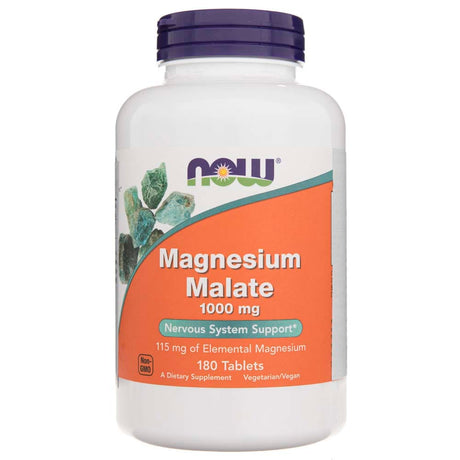


Now Foods
Now Foods Malato de Magnésio 1000 mg - 180 Comprimidos
Preço normal €21.29Preço unitário€0.12 cada item
Doctor's Best
Doctor's Best Magnésio de Alta Absorção 100 mg - 240 Comprimidos
Preço normal €29.09Preço unitário€0.12 cada item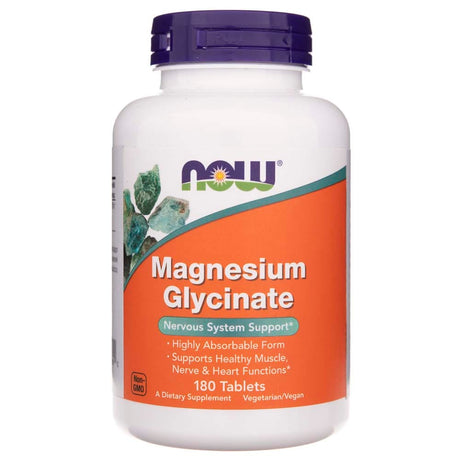


Now Foods
Now Foods Glicinato de Magnésio 100 mg - 180 Comprimidos
Preço normal €23.49Preço unitário€0.13 cada item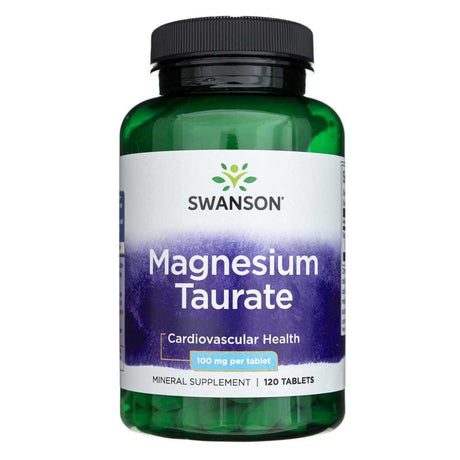


Swanson
Swanson Taurate de Magnésio 100 mg - 120 Comprimidos
Preço normal €16.79Preço unitário€0.14 cada item


Formas de nicho e especializadas
Sulfato de magnésio (Sal de Epsom)
Sulfato de magnésio — vulgarmente conhecido como sal de Epsom — é utilizado principalmente em contextos farmacêuticos e clínicos. A sua biodisponibilidade oral é baixa, atingindo apenas cerca de 7%, e pode facilmente causar diarreia em doses mais elevadas. Por esta razão, o sulfato de magnésio é mais adequado para uso externo — como banhos de imersão — do que para suplementação oral diária.
Taurato de magnésio
O taurato de magnésio é uma forma menos comum, mas interessante, que combina magnésio com o aminoácido taurina. É particularmente adequado para indivíduos com problemas cardiovasculares, incluindo uma tendência para arritmia cardíaca. A taurina, por si só, oferece benefícios protetores para os vasos sanguíneos. O composto é bem absorvido, embora o seu teor de magnésio elementar seja relativamente modesto, rondando os 9%.
As formas menos eficazes de magnésio
Carbonato de magnésio
O carbonato de magnésio forma uma ligação inorgânica com o ácido carbónico e, uma vez no estômago,, converte-se em cloreto de magnésio ao entrar em contacto com o ácido clorídrico. A sua biodisponibilidade em estudos tem sido geralmente inferior à do óxido de magnésio. No entanto, tem uma vantagem notável: pode ser uma opção razoável para indivíduos que sofrem de refluxo ácido ou indigestão, uma vez que tem um efeito antiácido suave, e os efeitos secundários são raros.
Óxido de magnésio
O óxido de magnésio — uma ligação simples entre o magnésio e o oxigénio — é a forma mais barata e mais amplamente disponível de magnésio. Infelizmente, é também a menos eficaz, com uma biodisponibilidade de apenas cerca de 4%. Alguns estudos não encontraram diferenças significativas entre a suplementação com óxido de magnésio e o placebo, sugerindo um benefício mínimo na prática. Apesar da sua prevalência nas prateleiras das lojas, o óxido de magnésio é geralmente a pior escolha para quem procura aumentar significativamente os seus níveis de magnésio.
Qual é o melhor magnésio para cãibras musculares?
As cãibras musculares são um dos sintomas mais comuns e reconhecíveis da deficiência de magnésio. Quando se inicia a suplementação, as cãibras melhoram normalmente de forma relativamente rápida, independentemente da forma específica — desde que tenha biodisponibilidade adequada. Para obter os resultados mais rápidos e fiáveis, opte por uma forma altamente biodisponível, como o citrato de magnésio, o glicinato, ou o malato, idealmente com adição de vitamina D3 e B6 para maximizar a absorção e minimizar a excreção.
Explore a nossa gama completa de coleção de suplementos de magnésio para encontrar a forma, a dosagem, e a combinação adequadas às suas necessidades individuais — desde citrato e glicinato até treonato e taurato, todos de marcas internacionais de confiança e distribuídos por toda a Europa.
Conclusão principal: A forma do magnésio é muito mais importante do que os miligramas indicados no rótulo. O citrato de magnésio oferece a maior biodisponibilidade global, enquanto o glicinato é o mais suave para uso a longo prazo e durante a gravidez,; o treonato destaca-se pelo apoio ao cérebro e ao sistema nervoso,; o malato é ideal para combater a fadiga,; e o taurato atende melhor às necessidades cardiovasculares. Evite o óxido de magnésio para fins de suplementação — a sua absorção extremamente baixa torna-o um mau investimento. Seja qual for a forma que escolher, combinar o magnésio com as vitaminas D3 e B6 pode aumentar ainda mais a sua eficácia.
Este artigo tem carácter meramente informativo e não substitui o aconselhamento médico. Em caso de problemas de saúde, gravidez, amamentação ou toma de medicamentos, consulte um médico ou farmacêutico. Os suplementos alimentares não substituem um regime alimentar variado.


