

Será possível criar um ranking definitivo dos melhores probióticos? Na prática, isso é quase impossível — porque diferentes produtos contêm diferentes estirpes bacterianas ativas, e não existe uma única bactéria «universal» que ajude em tudo. No entanto, existem orientações claras que podem ajudá-lo a fazer uma escolha informada. Dependendo das suas necessidades específicas, preocupações de saúde ou objetivos, diferentes probióticos serão a melhor opção. Compreender o que procurar — e a que prestar atenção — faz toda a diferença.
O que procurar ao escolher um probiótico
Embora nenhum probiótico específico funcione em todas as situações, existem vários critérios universais que podem orientá-lo na escolha de um produto de qualidade. Prestar atenção a estes fatores antes da compra pode ajudar a garantir que adquire um suplemento que seja eficaz e adequado às suas necessidades.
Identificação da estirpe bacteriana
O critério mais importante na seleção de um probiótico é a estirpe específica de bactérias que contém. Um suplemento de alta qualidade indicará claramente o género, a espécie, e a estirpe — expressas como um código alfanumérico — no seu rótulo. Por exemplo: Lactobacillus rhamnosus HN001, em que Lactobacillus é o género, rhamnosus é a espécie e HN001 é a estirpe específica.
Este nível de detalhe é importante porque é a estirpe que determina a eficácia do suplemento para um determinado fim. Diferentes estirpes da mesma espécie podem ter efeitos muito diferentes no organismo. Além disso, as estirpes utilizadas devem, idealmente, ter sido estudadas clinicamente — o que significa que há evidências de que sobrevivem à passagem pelo sistema digestivo e mantêm as suas propriedades benéficas ao chegarem ao intestino. Data de validade e estabilidade de armazenamento Os probióticos contêm organismos vivos, e, à medida que o produto envelhece, o número de bactérias viáveis diminui gradualmente. Quanto mais próximo estiver um produto da sua data de validade, maior é o risco de que já não forneça o número indicado de unidades formadoras de colónias (UFC). Um probiótico fora do prazo de validade pode ter pouco ou nenhum efeito benéfico. A maioria dos probióticos não garante a estabilidade da estirpe ao longo do prazo de validade, pelo que é essencial adquirir produtos frescos — e verificar cuidadosamente as datas.
Dosagem — Contagem de UFC
A dosagem de um probiótico é expressa em UFC ((unidades formadoras de colónias)) — o número de bactérias vivas por cápsula ou dose. Esta informação deve estar claramente indicada em todos os produtos. De acordo com as diretrizes disponíveis, uma dose diária eficaz varia tipicamente entre 5–10 mil milhões de UFC (5–10 × 10⁹) ou aproximadamente 250–500 mg por dia, dependendo da estirpe e da utilização pretendida. Doses mais elevadas não são necessariamente melhores — a quantidade certa depende da estirpe específica e da condição a tratar.
Embalagem e armazenamento
As condições de embalagem e armazenamento podem parecer pormenores menores, mas desempenham um papel importante na preservação da viabilidade das bactérias vivas. Os organismos probióticos podem ser sensíveis à luz, ao calor, e à humidade. Procure produtos embalados em vidro escuro ou materiais opacos que protejam contra a exposição aos raios UV. Verifique também se o produto requer refrigeração — algumas estirpes são estáveis à temperatura ambiente, enquanto outras precisam de ser armazenadas no frigorífico para manter a sua potência.
Que estirpes probióticas escolher — Um guia por necessidade
A maioria das pessoas recorre aos probióticos durante uma TiB terapia iótica, mas as estirpes bacterianas certas também podem apoiar o organismo em muitas outras situações. Compreender quais as estirpes mais adequadas à sua necessidade específica é fundamental para escolher um produto eficaz. Segue-se uma visão geral prática das combinações de estirpes e necessidades mais bem estudadas.
Durante o uso de antibióticos
Lactobacillus rhamnosus GG e Saccharomyces boulardii estão entre as estirpes mais amplamente recomendadas para prevenir a diarreia associada a antibióticos TiB. Estas estirpes ajudam a proteger a flora intestinal enquanto o antibiótico está ativo,, reduzindo o risco de perturbações digestivas.
Para viajantes
Quem viaja para regiões onde a qualidade dos alimentos e da água pode ser motivo de preocupação pode beneficiar de Saccharomyces boulardii, Lactobacillus acidophilus, ou Bifidobacterium bifidum — estirpes que podem ajudar a proteger contra a diarreia do viajante e o desconforto digestivo.
Para intolerância à lactose
Lactobacillus bulgaricus, Lactobacillus acidophilus, e Streptococcus thermophilus produzem lactase — a enzima responsável pela decomposição da lactose nos intestinos. Estas estirpes podem ajudar a melhorar a digestão e a absorção de produtos lácteos em indivíduos sensíveis à lactose.
Para o intestino irritável (SII)
Bifidobacterium infantis 35624, Lactobacillus plantarum DSM9843, e Bifidobacterium bifidum MIMBb75 são estirpes associadas ao apoio da motilidade intestinal saudável, à redução do inchaço, e ao alívio de outras queixas digestivas. Um probiótico verdadeiramente eficaz para intestinos sensíveis deve conter uma ou mais destas estirpes.
Para problemas de pele (Eczema)
Lactobacillus rhamnosus e Lactobacillus fermentum têm sido estudadas pelo seu potencial para aliviarcomichão e descamação associadas ao eczema. Estas estirpes revelaram-se particularmente promissoras em crianças, onde tendem a ser mais eficazes.
Para apoio imunológico
Bifidobacterium animalis lactis Bi-07 e Lactobacillus acidophilus NCFM são estirpes associadas a apoio ao sistema imunitário, podendo ajudar a reduzir a duração e a gravidade de constipações comuns e infeções sazonais.
Para a Saúde Intima
Lactobacillus acidophilus, Lactobacillus rhamnosus GR-1, e Lactobacillus reuteri RC-14 são estirpes com eficácia clinicamente comprovada no tratamento e prevenção de infeções íntimas. Dada a prevalência dessas infeções, estas estirpes são frequentemente recomendadas como parte de uma abordagem abrangente ao bem-estar feminino.


Aliness
Aliness ProbioBalance Rhamnosus GG Balance 5 biliões Probiótico - 30 Cápsulas Veg
Preço normal €9.99Preço unitário€0.33 cada item


Swanson
Swanson FemFlora Probiótico Para Mulheres - 60 Cápsulas
Preço normal €10.69Preço unitário€0.18 cada item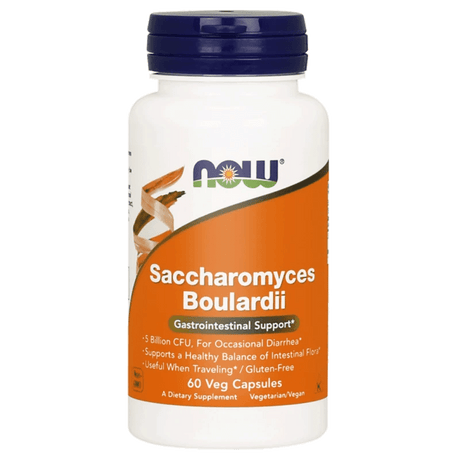
Now Foods
Now Foods Saccharomyces Boulardii - 60 Cápsulas vegetais
Preço normal €17.29Preço unitário€0.29 cada item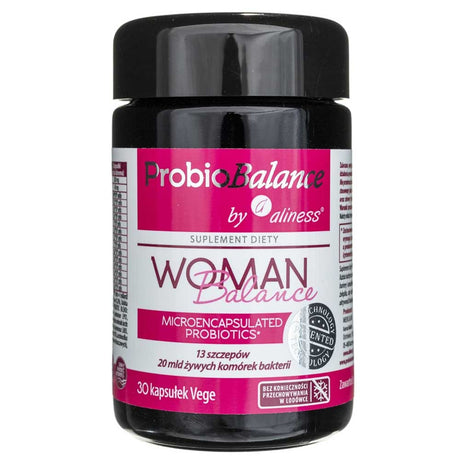


Aliness
Aliness ProbioBalance Woman Probióticos & Prebiotics - 30 Cápsulas Veg
Preço normal €16.29Preço unitário€0.54 cada item


Quando e por quanto tempo tomar probióticos
A razão mais comum pela qual as pessoas começam a tomar probióticos é uma terapia probiótica — e esta é, de facto, uma das situações mais importantes para o apoio probiótico. No entanto,, um erro muito comum é interromper a suplementação no momento em que o tratamento com antibióticos termina. Algumas pessoas continuam até que a embalagem de probióticos se esgote UNS, mas mesmo isso muitas vezes não é suficiente. A restauração eficaz da microbiota intestinal após uma terapia antibiótica requer normalmente cerca de dois meses de suplementação contínua com probióticos. Só com esta abordagem sustentada é que a flora intestinal pode ser significativamente reconstruída. Interromper demasiado cedo pode deixar a microbiota num estado desequilibrado, o que pode contribuir para problemas digestivos persistentes.
Mas os ióticos TiB não são a única razão para considerar os probióticos. O stress prolongado e um estilo de vida exaustivo também podem perturbar o microbioma intestinal, levando a um bem-estar deficiente, queixas digestivas como inchaço e gases, e maior suscetibilidade TiB a doenças. Uma flora intestinal saudável e equilibrada está intimamente ligada ao conforto e à vitalidade gerais.
Os probióticos são também uma excelente opção para bebés que sofrem de obstipação, cólicas, e inchaço — embora a utilização pediátrica deva ser sempre orientada por um profissional de saúde. Estudos recentes apontaram mesmo para uma ligação entre o equilíbrio das bactérias intestinais e o peso corporal, sugerindo que um microbioma desequilibrado pode contribuir para o aumento de peso e para a dificuldade em perder peso. Para uma seleção abrangente de suplementos probióticos — desde fórmulas de estirpe única a complexos multiestirpes — explore a nossa https://medpak.shop/collections/probiotics"> coleção de probióticos, com produtos de marcas de confiança como Now Foods, Jarrow Formulas, Aliness, e Swanson. Quem procura um apoio digestivo mais abrangente também pode beneficiar dos nossos suplementos para o sistema digestivo.

Swanson
Swanson Epic Pro 25-Strain Probiótico - 30 Cápsulas Veg
Preço normal €15.09Preço unitário€0.50 cada item


Healthy Origins
Healthy Origins Probiótico Natural 30 Biliões CFU - 60 Cápsulas Veg
Preço normal €33.39Preço unitário€0.56 cada item

Life Extension
Life Extension FLORASSIST® Balance Probiotic - 30 cápsulas
Preço normal €35.59Preço unitário€1.19 cada item


Conclusão principal: Não existe um único probiótico «melhor» — a escolha certa depende inteiramente das suas necessidades individuais. Concentre-se em produtos que identifiquem claramente estirpes bacterianas específicas, forneçam uma contagem adequada de UFC, e tenham sido clinicamente estudados para a sua preocupação específica. Quer esteja a apoiar o seu intestino durante uma TiB terapia antibiótica, a procurar reforçar o sistema imunitário, ou a tratar de um desconforto digestivo, escolher a estirpe certa é muito mais importante do que escolher o produto mais caro. E lembre-se — uma terapia probiótica eficaz leva tempo, por isso planeie pelo menos dois meses de suplementação consistente para obter resultados significativos.
Este artigo tem carácter meramente informativo e não substitui o aconselhamento médico. Em caso de problemas de saúde, gravidez, amamentação ou toma de medicamentos, consulte um médico ou farmacêutico. Os suplementos alimentares não substituem um regime alimentar variado.


