

Como funciona o verniz híbrido
Ao contrário do verniz convencional, que seca por evaporação do solvente, o verniz híbrido cura através de um processo fotoquímico. A fórmula contém fotoiniciadores — compostos que se ativam sob luz UV ou LED — que desencadeiam a polimerização, criando uma camada de polímero dura, e flexível ligada à superfície da unha. É por isso que o verniz híbrido requer uma lâmpada UV ou LED em vez de secagem ao ar, e por que é significativamente mais duradouro do que o verniz tradicional.
As lâmpadas LED curam os produtos híbridos em 30–60 segundos por camada. As lâmpadas UV demoram 60–120 segundos. O LED é agora a escolha mais comum nos salões devido à rapidez e à menor exposição total aos raios UV envolvida.
Verniz híbrido vs. verniz tradicional vs. gel UV: principais diferenças
Vale a pena compreender como estas três abordagens diferem antes de decidir qual a mais adequada para si. O verniz tradicional seca ao ar em 10 a 30 minutos e dura normalmente 3 a 7 dias antes de descascar. É fácil de aplicar em casa e simples de remover com um removedor de acetona comum. O verniz híbrido requer uma lâmpada, mas dura 2 a 4 semanas sem descascar e a remoção demora 15 a 30 minutos com compressas embebidas em acetona. O gel UV duro é a opção mais duradoura — 3 a 4 semanas ou mais — e é utilizado principalmente para extensões de unhas; requer remoção mecânica com uma lima de unhas ou uma broca elétrica e não pode ser removido por imersão. O híbrido situa-se entre os dois — mais duradouro do que o verniz tradicional e mais fácil de remover do que o gel duro. O processo de aplicação passo a passo. Quer seja feito num salão ou em casa, o processo segue as mesmas etapas principais. A preparação é o mais importante: a lâmina da unha é limada para dar forma, suavemente polida para criar aderência, e limpa com uma solução desengordurante. As cutículas são empurradas para trás em vez de cortadas, sempre que possível. Qualquer humidade ou óleo na superfície da unha comprometerá a aderência, pelo que uma desengorduramento minucioso é essencial.
Aplica-se primeiro uma camada fina de base, que é curada na lâmpada, seguida de uma ou duas camadas finas de cor (, cada uma curada individualmente), e, por fim, uma camada de acabamento para dar brilho e proteção. Camadas finas curam de forma mais uniforme e aderem com mais segurança do que as espessas — um erro comum de principiante é aplicar camadas demasiado espessas. Cada camada deve ser aplicada ligeiramente afastada da cutícula e selada na borda livre para evitar que se levante. Após a camada de acabamento estar curada, a camada de dispersão pegajosa é removida com um toalhete sem fiapos e um produto de limpeza, deixando a superfície finalizada.
O passo final — e um que é fácil de ignorar, mas não deve ser — é aplicar um óleo para cutículas e massajá-lo na pele à volta da unha. Isto restaura a hidratação da área que foi exposta à lâmpada e ao processo de desengorduramento.
Cuidar das suas unhas durante o uso do verniz híbrido
O verniz híbrido protege fisicamente a lâmina ungueal enquanto está a ser usado, mas a pele à volta da unha continua a precisar de cuidados. Aplique um óleo para cutículas diariamente — a pele tende a secar mais rapidamente quando não consegue receber hidratação através da superfície da unha. Use luvas para limpar, lavar a louça, e em caso de contacto prolongado com água; a água quente e os produtos químicos de limpeza estão entre as principais causas de descolamento precoce. Evite usar as unhas como ferramentas. Três a quatro semanas é o tempo máximo de uso recomendado; além disso, o espaço entre a raiz da unha que cresceu e a borda do verniz torna-se uma preocupação em termos de higiene e hidratação.
Remoção segura: a única coisa que a maioria das pessoas faz mal
Nunca descasque nem raspe o verniz híbrido. Esta é a causa mais comum de danos na lâmina ungueal — o verniz adere às camadas superiores da unha, e, ao retirá-lo, arranca essas camadas, deixando a unha fina, estriada, e propensa a descascar. O método correto consiste em lixar levemente a superfície da camada superior, e, em seguida, colocar almofadas embebidas em acetona sobre as unhas, envolvidas em papel alumínio, durante 10 a 15 minutos, até que o verniz amolecido possa ser removido suavemente com um pauzinho de cutícula de madeira. Se não sair completamente, volte a envolver e aguarde mais tempo. Após a remoção, aplique um tratamento nutritivo para as unhas e óleo para cutículas.
Apoiar a saúde das unhas com suplementos
A manicure híbrida regular — especialmente se a técnica de remoção for imperfeita ou o tempo de uso for prolongado — coloca um stress cumulativo na lâmina ungueal. Apoiar a saúde das unhas nutricionalmente ajuda a manter a resiliência e a espessura da estrutura ungueal a partir de dentro. Vários nutrientes são especificamente relevantes.
A biotina
(vitamina B7 ()) contribui para a manutenção de unhas normais, de acordo com a alegação de saúde estabelecida pela UE — um dos poucos nutrientes com uma alegação autorizada específica relacionada com as unhas. Está envolvida no metabolismo da queratina, a proteína estrutural que compõe a lâmina ungueal. As evidências apoiam o seu papel na redução da fragilidade em pessoas com unhas frágeis. Solgar Biotina 5000 mcg e Now Foods Biotina 5000 mcg são ambas opções com dosagem adequada; Aliness Biotina 2500 mcg QualiBiotin ® utiliza uma forma padronizada, de fácil absorção. Explore a gama completa na nossa coleção de suplementos para cabelo, pele e unhas ,.
Silício e MSM (Enxofre Orgânico)
O silício orgânico está envolvido na formação do tecido conjuntivo e contribui para a estrutura da pele e das unhas. O MSM (metilsulfonilmetano) fornece enxofre biodisponível, necessário para a síntese de queratina. Ambos são frequentemente utilizados em conjunto com a biotina para um apoio abrangente às unhas e ao cabelo. O Aliness Silício Orgânico de Rebentos de Bambu é uma forma de origem vegetal de fácil absorção; o Doctor's Best MSM com OptiMSM e o Now Foods MSM 1000 mg fornecem um teor de enxofre padronizado.
Fórmulas abrangentes
Várias fórmulas com múltiplos ingredientes combinam biotina com outros nutrientes que apoiam a queratina num único produto. Solgar Pele,, Unhas e Cabelo e Now Foods Cabelo,, Pele e Unhas incluem ambos biotina juntamente com zinco,, cobre e outros cofatores do tecido conjuntivo. Vitaler's Silibiotin combina silybum marianum (extrato de cardo mariano) com biotina para uma abordagem mais abrangente ao apoio estrutural dos tecidos.


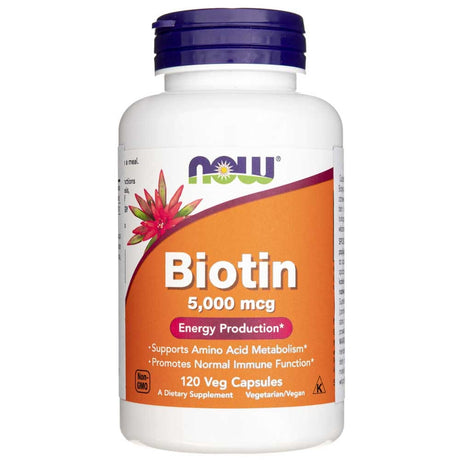


Now Foods
Now Foods Biotina 5000 mcg - 120 Cápsulas Veg
Preço normal €12.99Preço unitário€0.11 cada item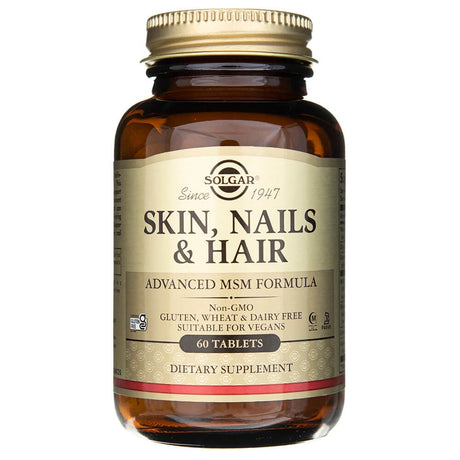


Solgar
Solgar Pele, Pregos & Cabelo - 60 Comprimidos
Preço normal €15.79Preço unitário€0.26 cada item


Vitaler's
Vitaler's Silibiotin - Cabelo, Pele, Unhas - 180 Comprimidos
Preço normal €7.29Preço unitário€0.04 cada item


Aliness
Aliness Silício orgânico de rebentos de bambu 500 mg - 100 Cápsulas Veg
Preço normal €11.79Preço unitário€0.12 cada item
Doctor's Best
Doctor's Best MSM com OptiMSM 1500 mg - 120 Comprimidos
Preço normal €16.39Preço unitário€0.14 cada item


Cuidados com as mãos em torno da manicure híbrida
A pele das mãos — particularmente à volta das unhas — é diretamente afetada pelo processo híbrido: as soluções desengordurantes, a acetona durante a remoção, e a exposição à lâmpada contribuem todas para o ressecamento. Um bom creme para as mãos, usado diariamente, ajuda a manter a barreira cutânea e mantém a área à volta das unhas com um aspeto tão bom quanto a própria manicure. As fórmulas dos cremes para as mãos com manteiga de karité e manteiga de cacau da Palmer's são opções ricas e de rápida absorção, adequadas para uso diário. O óleo para cutículas com papaia e o óleo para unhas e cutículas da Baren são formatos práticos para aplicação direcionada nas cutículas.


Quando evitar a manicure híbrida
O verniz híbrido não é adequado em caso de infeções na lâmina ungueal (as infeções fúngicas requerem tratamento prévio, e cobrir a unha dificulta esse tratamento). Unhas danificadas, com delaminação, ou gravemente enfraquecidas beneficiam de uma pausa e de um período de tratamento ativo das unhas antes de voltar a usar produtos híbridos. Pessoas com alergia de contacto diagnosticada a acrilatos ou fotoiniciadores devem evitar totalmente os produtos híbridos. Recomenda-se que as mulheres grávidas consultem o seu médico, uma vez que os dados de segurança relativos à exposição química prolongada a produtos para as unhas durante a gravidez são limitados. Para produtos de cuidados das mãos e das unhas, explore a nossa coleção de cuidados das mãos e das unhas.shop/collections/hand-care"> coleção de cuidados das mãos e os nossos suplementos para cabelo, pele e unhas para um apoio completo à saúde das unhas, por dentro e por fora.
Este artigo tem carácter meramente informativo e não substitui o aconselhamento médico. Em caso de problemas de saúde, gravidez, amamentação ou toma de medicamentos, consulte um médico ou farmacêutico. Os suplementos alimentares não substituem um regime alimentar variado.


