

A Rhodiola Rosea é uma erva adaptogénica relativamente menos conhecida, talvez porque tenha tantos nomes: raiz dourada, raiz de rosa, raiz ártica, vara de Aarão, raiz siberiana, e coroa do rei. Alguns destes nomes sugerem o seu ambiente de crescimento preferido — os climas frios e rigorosos das regiões árticas e montanhosas. No entanto, nenhum revela o seu notável potencial para apoiar o bem-estar mental, a função cognitiva e o desempenho físico.
O que é a Rhodiola Rosea?
A Rhodiola Rosea é uma planta perene com flores que prospera principalmente nas regiões árticas, particularmente na Escandinávia e na Sibéria. Também pode ser encontrada a crescer de forma selvagem nas altas montanhas da Europa, incluindo os Alpes e os Cárpatos, na Ásia e na América do Norte. A planta adaptou-se notavelmente bem a condições ambientais extremas e baixas temperaturas, graças ao seu sistema radicular robusto com rizomas densos e entrelaçados. É precisamente esta raiz — com a sua fragrância característica semelhante à da rosa — que tem sido utilizada na medicina tradicional à base de ervas há séculos. A partir destes rizomas, são preparados extratos secos e pós para utilização em suplementos.
A Rhodiola contém numerosos compostos bioativos, sendo os mais significativos o salidrosídeo, r Osavi ns (, incluindo r Osavi n, rosina, e rosarina), fitoesteróis, e ácidos fenólicos. A presença tanto de salidrosídeo como de r Osavi ns confere a esta planta a sua atividade biológica excecional — estes compostos atuam de forma sinérgica, potenciando os efeitos uns dos outros.
Benefícios da Rhodiola Rosea para o bem-estar mental
A Rhodiola Rosea tem sido tradicionalmente utilizada para apoiar a saúde mental e o equilíbrio emocional. Pode ajudar a gerir sentimentos de stress ocasional e apoiar a resiliência natural do corpo face às pressões do dia-a-dia. Acredita-se que os compostos ativos desta erva adaptogénica contribuam para níveis saudáveis de cortisol — a hormona associada à resposta ao stress —, ao mesmo tempo que contribuem para uma atividade equilibrada dos neurotransmissores no cérebro.
Para quem sofre de baixos de humor ocasionais, a Rhodiola tem sido tradicionalmente utilizada como erva de apoio. Pode ajudar a apoiar o bem-estar emocional, contribuindo para o equilíbrio da química cerebral, tornando-a uma escolha popular para quem procura abordagens naturais para manter uma perspetiva mental positiva. Se estiver a explorar suplementos à base de ervas para apoio emocional, a Rhodiola merece ser seriamente considerada.
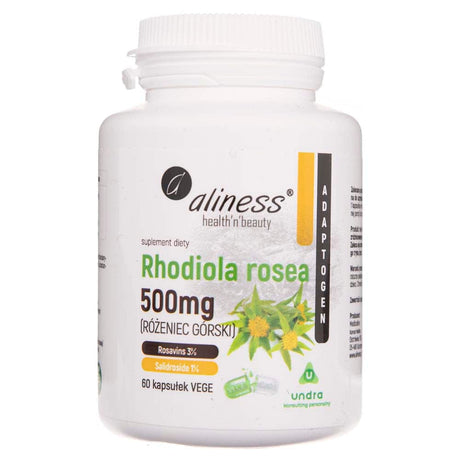


Aliness
Aliness Rhodiola Rosea 500 mg - 60 Cápsulas Veg
Preço normal €15.19Preço unitário€0.25 cada item


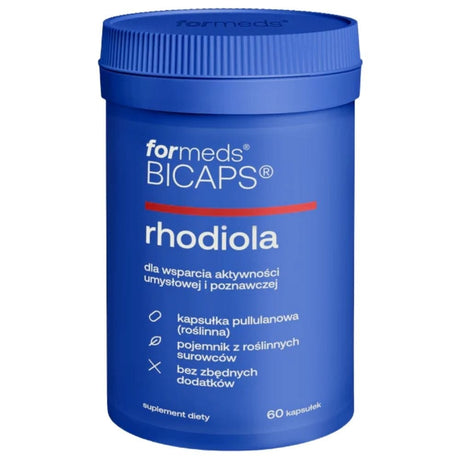 15% de desconto
Formeds
Formeds Bicaps Rhodiola 200 mg - 60 Cápsulas
Preço de venda €17.64 Preço normal €20.79Preço unitário€0.29 cada item


Função cognitiva e desempenho mental
A raiz ártica é particularmente valorizada durante períodos de trabalho mental intensivo devido ao seu uso tradicional no apoio aos processos de memória e aprendizagem. Combinada com o seu potencial para ajudar a reduzir a fadiga mental, diminuir a sonolência ocasional, apoiar a motivação, e promover a clareza mental geral, a Rhodiola torna-se uma excelente escolha para estudantes, profissionais, e qualquer pessoa que necessite de um desempenho mental sustentado desempenho cognitivo.
As potenciais propriedades neuroprotetoras da salidrosida têm atraído um interesse significativo da investigação. Os cientistas estão a investigar como este composto pode apoiar a saúde das células cerebrais, o que poderá ter implicações na manutenção da função cognitiva à medida que envelhecemos. Enquanto a investigação continua, o uso tradicional e estudos emergentes sugerem que a Rhodiola pode ser uma adição valiosa a qualquer regime de saúde cerebral.
Desempenho físico e resistência Ecover y
A Rhodiola Rosea não se limita apenas ao desempenho mental — tem também sido tradicionalmente utilizada para apoiar a resistência física e a resistência Ecover y. Acredita-se que isto se deva aos seus efeitos potenciais na utilização da energia celular e nos processos metabólicos. Atletas e indivíduos ativos têm utilizado a raiz dourada para apoiar o seu treino, uma vez que pode ajudar na recuperação pós-exercício r Ecover y e na proteção do tecido muscular através das suas propriedades antioxidantes.
Para quem procura um apoio energético natural sem a agitação associada aos estimulantes, a Rhodiola oferece uma alternativa mais suave que atua em sintonia com os sistemas naturais do corpo, em vez de os sobrecarregar.
Combinações de Rhodiola: O que funciona bem em conjunto
A Rhodiola Rosea é frequentemente combinada com outras ervas adaptogénicas para potenciar benefícios específicos:
- Rhodiola + Ashwagandha – Uma combinação clássica para uma resiliência abrangente ao stress e apoio às glândulas supra-renais
- Rhodiola + Ginseng – Pode apoiar a vitalidade, a concentração, e a resistência física
- Rhodiola + Tribulus – Tradicionalmente utilizado para apoiar a resistência e a libido
- Rodióla + Erva-cidreira – Uma dupla calmante que pode ajudar a combater o stress, mantendo a clareza mental
- Rodióla + Bagas de Goji – Pode apoiar padrões de sono saudáveis e ajudar a combater a fadiga ocasional
Explore a nossa coleção de Ashwagandha para encontrar adaptógenos complementares que combinam bem com a Rhodiola.
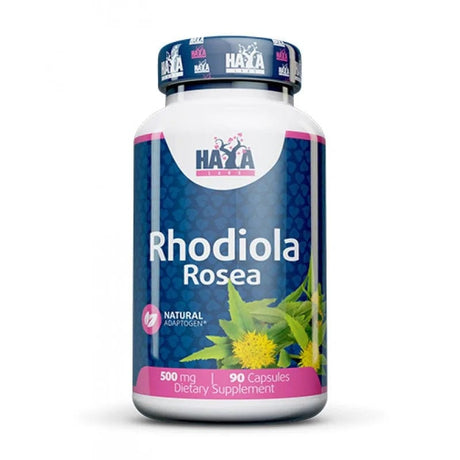
Haya Labs
Haya Labs Rhodiola Rosea 500 mg - 90 Cápsulas
Preço normal €22.19Preço unitário€0.25 cada item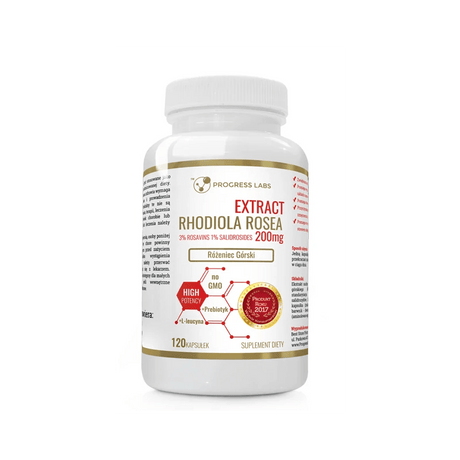
Progress Labs
Progress Labs Rhodiola Rosea 200 mg - 120 Cápsulas
Preço normal €13.99Preço unitário€0.12 cada item
O que evitar ao tomar Rhodiola
Embora a Rhodiola combine bem com muitas ervas, há certas combinações que devem ser abordadas com cautela. Recomenda-se geralmente evitar tomar Rhodiola em conjunto com medicamentos psicoestimulantes, uma vez que esta combinação pode potencialmente levar a uma estimulação excessiva do sistema nervoso e contribuir para sensações de inquietação ou ansiedade.
Rhodiola durante a gravidez e a amamentação
Quando tomada em quantidades adequadas e controladas, a Rhodiola Rosea é geralmente bem tolerada. No entanto, devido à sua natureza estimulante — semelhante à cafeína no seu efeito sobre o estado de alerta — certos grupos devem ter cuidado. Mulheres grávidas, mães que amamentam e crianças com menos de 12 anos de idade são normalmente aconselhadas a evitar a suplementação com Rhodiola. Durante a gravidez, o descanso e o sono adequado são fundamentais, enquanto as mães que amamentam devem estar cientes de que os compostos ativos podem potencialmente passar para o leite materno e afetar o bebé.
Efeitos secundários potenciais e contraindicações
Geralmente,, não foram associados efeitos secundários significativos à Rhodiola Rosea quando utilizada de forma adequada. No entanto,, o consumo excessivo pode potencialmente causar sobreestimulação em indivíduos sensíveis. É aconselhável evitar tomar Rhodiola à noite,, uma vez que as suas propriedades energizantes podem interferir com a qualidade do sono. Para além dos grupos acima mencionados,, a Rhodiola deve ser utilizada com cautela por quem toma medicamentos para perturbações do humor ou por quem sofre de perturbação bipolar,, uma vez que pode interagir com estas condições.
Dosagem de Rhodiola Rosea: Formas e recomendações
A Rhodiola Rosea está disponível em várias formas, para além das cápsulas e comprimidos padrão. Compreender a dosagem adequada para cada forma é essencial para uma utilização segura e eficaz:
Forma em pó
Ao utilizar Rhodiola em pó, a recomendação habitual é de aproximadamente 1 grama, tomada três vezes por dia. Esta forma permite uma dosagem flexível e pode ser adicionada a batidos ou bebidas.
Infusão de ervas (Chá)
O chá de Rhodiola é tradicionalmente consumido 2 a 3 vezes por dia. Prepare-o mergulhando uma colher de sopa de raiz seca em água quente, e, em seguida, dividindo a infusão resultante no número adequado de porções ao longo do dia.
Tintura
As tinturas de rodiola são normalmente tomadas 2 a 3 vezes por dia, sendo a dose padrão de 5 ml (, aproximadamente uma colher de chá) por dose.
Extratos padronizados (Cápsulas/Comprimidos)
Para suplementos padronizados, siga a dosagem recomendada pelo fabricante. A maioria dos produtos sugere entre 200 e 600 mg por dia, normalmente divididos em uma ou duas doses.
Independentemente da forma que escolher, é crucial respeitar as quantidades recomendadas. Exceder as doses sugeridas pode levar a superestimulação, dificuldade em dormir, e inquietação geral.
Conclusão principal: A Rhodiola Rosea é uma erva adaptogénica poderosa com séculos de uso tradicional para apoiar a clareza mental, a resiliência ao stress, e o desempenho físico. Quando utilizada de forma adequada e combinada cuidadosamente com ervas complementares, pode ser uma adição valiosa à sua rotina de bem-estar. Explore a nossa coleção completa de Rhodiola em https://medpak.shop/collections/rhodiola para encontrar o produto certo para as suas necessidades.
Este artigo tem carácter meramente informativo e não substitui o aconselhamento médico. Em caso de problemas de saúde, gravidez, amamentação ou toma de medicamentos, consulte um médico ou farmacêutico. Os suplementos alimentares não substituem um regime alimentar variado.


