

A hena em pó é uma das novidades mais comentadas nos tratamentos naturais para sobrancelhas nos últimos anos. Se suas sobrancelhas são ralas, irregulares, excessivamente depiladas, ou simplesmente mais claras do que você gostaria, a hena em pó oferece uma maneira de adicionar definição, cor, e aparência de volume sem corantes químicos ou a permanência da micropigmentação. Este guia explica o que realmente é a henna em pó, como ela difere da henna tradicional, o que esperar do tratamento e o que você pode fazer em termos de nutrição para promover um crescimento mais saudável e volumoso das sobrancelhas ao longo do tempo. O que é a henna em pó? A henna em pó é um desenvolvimento moderno da técnica tradicional de coloração com henna, formulada especificamente para uso nas sobrancelhas. A hena tradicional — derivada da planta Lawsonia inermis — produz um pigmento marrom-avermelhado que funciona bem no cabelo, mas apresenta limitações quando usada na pele das sobrancelhas e nos pelos faciais finos. A hena em pó aprimora essa abordagem: ela utiliza um extrato padronizado da folha de Lawsonia combinado com outros ingredientes condicionantes naturais, disponível em uma gama mais ampla de tons — do loiro acinzentado ao castanho médio, passando pelo castanho escuro profundo e pelo preto — e é formulada para aderir simultaneamente tanto à pele quanto aos fios individuais das sobrancelhas.
A principal diferença em relação às tinturas convencionais para sobrancelhas e aos corantes químicos é a ausência de agentes oxidantes (, como o peróxido de hidrogênio). As tinturas padrão para sobrancelhas usam peróxido para abrir a cutícula do fio e depositar o pigmento dentro da haste capilar — o que é eficaz, mas retira a umidade e pode enfraquecer os pelos faciais finos com o tempo. A hena em pó funciona sem peróxido: o pigmento se liga à estrutura proteica do fio de fora para dentro e cria um efeito de coloração da pele no nível da derme simultaneamente, produzindo o efeito característico de “preenchimento em pó” que confere definição e a ilusão de densidade.
Que resultados você pode esperar?
A hena em pó produz duas camadas de efeito que desbotam em ritmos diferentes:
- Coloração da pele — a tonalidade na pele nua entre e ao redor dos pelos das sobrancelhas cria um efeito suave de preenchimento, semelhante ao visual obtido com um pó ou lápis para sobrancelhas. Isso normalmente dura cerca de 7 a 14 dias, desbotando gradualmente e de maneira uniforme à medida que a pele se renova.
- Coloração dos pelos — o pigmento depositado nos próprios pelos das sobrancelhas dura consideravelmente mais tempo — normalmente de 4 a 6 semanas — até que a parte colorida cresça.
O efeito combinado, especialmente nas primeiras 2 semanas, confere a aparência de sobrancelhas mais cheias, e mais definidas, que exigem menos esforço diário de manutenção. Após 24 horas da aplicação (, quando a cor estiver totalmente desenvolvida e qualquer resíduo superficial menor tiver sido removido), o resultado é normalmente descrito como um visual natural, “arrumado”, em vez de um visual obviamente maquiado.
Para quem a henna em pó é mais indicada?
A henna em pó é particularmente indicada para várias situações:
- Sobrancelhas ralas ou irregulares — as lacunas entre os pelos são preenchidas pelo efeito de coloração da pele-efeito de coloração, criando uma aparência de densidade sem a necessidade de pelos em todas as áreas
- Sobrancelhas naturalmente claras que precisam de mais definição, sem o aspecto artificial da tatuagem permanente
- Aqueles que desejam reduzir a aplicação diária de maquiagem nas sobrancelhas sem se comprometer com procedimentos permanentes
- Pessoas cujas sobrancelhas foram depiladas em excesso ao longo de muitos anos e estão no processo de crescer novamente
- Aqueles interessados em alternativas naturais aos corantes químicos, especialmente se já tiveram reações a tinturas convencionais para sobrancelhas no passado
- Pessoas que buscam “renovar” microblading desbotado ou maquiagem permanente entre as consultas de retoque
O processo de tratamento passo a passo
Seja realizado por um profissional ou em casa (com um kit apropriado), o tratamento segue a mesma sequência essencial:
- Teste cutâneo — obrigatório pelo menos 48 horas antes do primeiro tratamento. Mesmo produtos naturais podem causar reações alérgicas, especialmente em pessoas sensíveis a plantas da família Lawsonia.
- Limpeza e preparação — a área das sobrancelhas é cuidadosamente limpa para remover maquiagem, resíduos de produtos de cuidados com a pele, e oleosidade da pele. Uma etapa suave de esfoliação e desengorduramento garante que a hena adira uniformemente e dure o máximo possível.
- Modelagem — o contorno desejado das sobrancelhas é traçado usando um pincel fino ou lápis. Esta é a etapa tecnicamente mais exigente, pois determina o formato final. A pasta de henna em pó é aplicada tanto nos pelos das sobrancelhas quanto na pele abaixo e ao redor deles. Deixa-se agir por um tempo de desenvolvimento especificado — normalmente de 15 a 30 minutos, dependendo da intensidade da cor desejada.
- Remoção e revelação — a hena é removida com um algodão úmido (, sem esfregar). O resultado inicial pode parecer mais escuro do que a cor final; o resultado real fica visível após aproximadamente 24 horas.
Cuidados posteriores: Como prolongar os resultados
O componente da henna em pó que tinge a pele desbota naturalmente à medida que as células da pele se renovam — não há produto que possa impedir isso permanentemente. No entanto, certas práticas podem acelerar o desbotamento e devem ser evitadas: Evite molhar a área das sobrancelhas por pelo menos 48 horas após o tratamento. Não use- à base de óleo, óleos faciais, ou hidratantes pesados diretamente sobre ou ao redor das sobrancelhas durante a fase de coloração da pele
Contraindicações: Quando não usar henna em pó
Apesar de sua origem natural, a henna em pó tem contraindicações claras que devem ser observadas:
- Alergia conhecida à hena ou à lawsonia — incluindo aqueles que já tiveram reações à hena tradicional
- Condições cutâneas ativas na região das sobrancelhas — eczema, psoríase, seborreica Derma titis, cortes abertos, ou pele inflamada
- Sobrancelhas recentemente depiladas com cera, com linha, ou epiladas — a pele fica sensibilizada e a barreira cutânea é comprometida
- Pele facial muito seca ou desidratada — a cor pode ser absorvida de forma irregular e o resultado é imprevisível
- Uso de retinóides ou AHAs/BHAs perto da área das sobrancelhas — a renovação celular acelerada fará com que a coloração da pele desbote muito mais rápido
- Gravidez e amamentação — não há dados de segurança suficientes para produtos tópicos à base de lawsonia durante esses períodos; consulte sua parteira ou obstetra antes de prosseguir
Apoiando a saúde das sobrancelhas por dentro: Nutrição e suplementos
A hena em pó realça lindamente o que você já tem — mas, para quem tem sobrancelhas genuinamente ralas, vale a pena considerar as bases nutricionais do crescimento capilar juntamente com abordagens cosméticas. Os pelos das sobrancelhas seguem o mesmo ciclo de crescimento que os cabelos do couro cabeludo e estão sujeitos às mesmas influências nutricionais.
Os nutrientes mais consistentemente associados ao crescimento saudável do cabelo incluem:
- Biotina (vitamina B7) — o suplemento para o crescimento capilar mais conhecido, envolvido na síntese de queratina. Embora a deficiência de biotina seja rara, a suplementação na faixa de 2.500 a 5.000 mcg por dia é amplamente utilizada e geralmente bem tolerada.
- Zinco — envolvido no ciclo do folículo capilar e na síntese de proteínas; a deficiência está diretamente associada à queda e ao enfraquecimento do cabelo.
- Ferro e ferritina — baixos níveis de ferritina (e ferro armazenado) são um dos fatores mais comuns e frequentemente ignorados que contribuem para a queda de cabelo e o fraco crescimento capilar nas mulheres. Um exame de sangue é a única maneira de saber seu estado.
- Vitamina D — os receptores de vitamina D estão presentes nos folículos capilares, e a deficiência está associada à perturbação do ciclo capilar.
- Nutrientes que apoiam o colágeno — vitamina C e aminoácidos (, particularmente glicina e prolina), são necessários para a síntese de colágeno, que faz parte da derme do folículo capilar.
Para quem procura um ponto de partida conveniente, os suplementos para cabelos, pele e unhas, combinam muitos desses nutrientes em um único produto. Explore nossa coleção de suplementos para cabelos, pele e unhas ,:
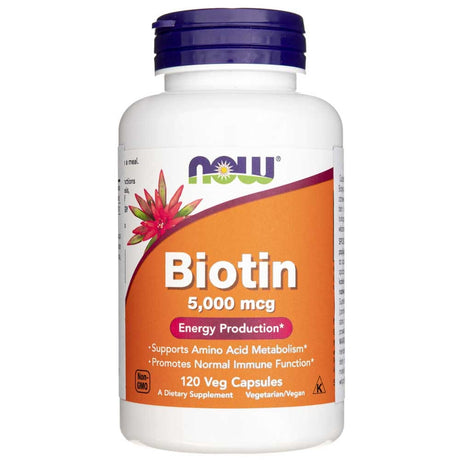


Now Foods
Now Foods Biotina 5000 mcg - 120 Cápsulas Veg
Preço normal €12.99Preço unitário€0.11 cada item


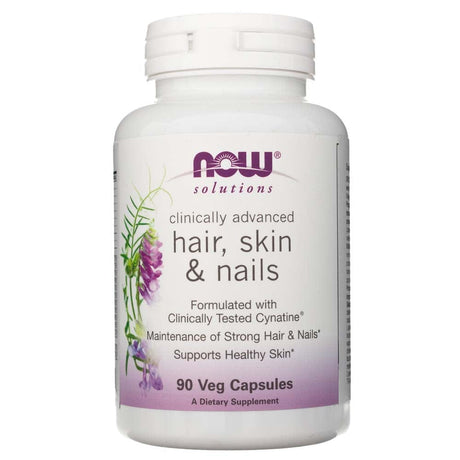


Now Foods
Now Foods Pele e unhas, - 90 Cápsulas vegetais
Preço normal €25.69Preço unitário€0.29 cada item


 10% de desconto
Vitaler's
Vitaler's Silibiotin - Cabelo, Pele, Unhas - 180 Comprimidos
Preço de venda €6.55 Preço normal €7.29Preço unitário€0.04 cada item


Coloração natural para cabelos além das sobrancelhas
Se a filosofia da coloração natural, sem produtos químicos lhe agrada para as sobrancelhas, talvez valha a pena considerá-la também para o cabelo. A coloração capilar à base de plantas, utilizando hena à base de lawsonia e corantes botânicos relacionados, tem uma história que se estende por milhares de anos, e as formulações modernas tornaram o processo de aplicação mais prático e a gama de cores mais ampla do que nunca. Nossa coleção de tinturas para cabelos https://medpak.shop/collections/hair-colouring"> inclui tinturas naturais à base de hena para quem deseja estender a abordagem natural das sobrancelhas para o cabelo:


Indus Valley
Vale do Indo Henna Hair Colour Light Brown - 100 g
Preço normal €7.49Preço unitário€7.49 /100g


Este artigo tem carácter meramente informativo e não substitui o aconselhamento médico. Em caso de problemas de saúde, gravidez, amamentação ou toma de medicamentos, consulte um médico ou farmacêutico. Os suplementos alimentares não substituem um regime alimentar variado.


