

A rosa silvestre (Rosa canina) é uma planta que há séculos cativa coletores, fitoterapeutas, e cozinheiros — e por um bom motivo. Seus frutos vermelhos brilhantes estão entre os frutos silvestres mais ricos em nutrientes disponíveis na Europa, contendo uma concentração extraordinária de vitamina C, além de uma variedade de antioxidantes, vitaminas e compostos bioativos. Seja você interessado em colhê-las por conta própria, conservá-las para o inverno ou simplesmente entender o que as torna tão valiosas, este guia abrange tudo o que você precisa saber.
Perfil nutricional e propriedades benéficas para a saúde das roseiras-bravas
As roseiras-bravas são mais conhecidas por seu excepcional teor de vitamina C — grama por grama, elas contêm significativamente mais ácido ascórbico do que as laranjas, tornando-as uma das fontes vegetais mais ricas desse nutriente essencial. Mas o valor nutricional da Rosa canina vai muito além de uma única vitamina.
O fruto contém níveis notáveis de vitaminas A, B1, B2, E, e K, bem como minerais, incluindo cálcio, magnésio, ferro e potássio. Talvez o mais importante para a saúde a longo prazo seja o fato de que as roseiras-bravas são uma fonte rica em antioxidantes polifenólicos — incluindo flavonóides, carotenóides (especialmente licopeno e beta-caroteno), e taninos — que ajudam a neutralizar os radicais livres no corpo. Essa atividade antioxidante está associada ao apoio à saúde celular e à contribuição para o funcionamento normal do sistema imunológico.
O uso tradicional e contemporâneo das roseiras bravas inclui:
- Apoio ao sistema imunológico — a vitamina C contribui para o funcionamento normal do sistema imunológico, tornando as roseiras bravas um remédio sazonal popular durante os meses de outono e inverno
- Saúde da pele — a vitamina C desempenha um papel fundamental na síntese normal de colágeno, o que contribui para o funcionamento normal da pele; o conteúdo de antioxidantes também pode ajudar a proteger as células da pele do estresse oxidativo
- Apoio às articulações e ao tecido conjuntivo — extratos de rosa mosqueta têm sido objeto de pesquisas que examinam seu papel no apoio ao conforto das articulações, particularmente em idosos
- Saúde digestiva — os taninos presentes na roseira-brava têm propriedades adstringentes suaves que podem contribuir para o conforto digestivo
- Apoio cardiovascular — o teor de fibras, antioxidantes, e vitaminas da roseira-brava está associado ao apoio à função cardiovascular normal
Quando colher roseiras bravas silvestres
O momento certo é fundamental para obter o máximo da sua colheita de roseira brava. O período ideal geralmente é de setembro a outubro, embora isso varie ligeiramente de acordo com a região, a altitude, e as condições climáticas específicas de cada ano. Colher muito cedo resulta em frutos firmes, ainda verdes, e com menor teor de açúcar e densidade nutricional; esperar demais traz o risco de perder os frutos para os pássaros, danos causados pela geada, ou fermentação na planta.
Como saber quando as roseiras-bravas estão prontas
As roseiras-bravas maduras têm uma cor vermelha intensa, a vermelho-alaranjada e cedem levemente quando pressionadas — devem parecer firmes, mas com uma leve elasticidade, nem duras como pedra nem moles. Evite frutos que apresentem sinais de mofo, danos físicos, ou infestação por insetos. Em muitas regiões, uma geada leve, na verdade, melhora o sabor das roseiras bravas, amolecendo a polpa e aumentando a doçura, de modo que uma colheita entre meados e o final de outubro, após as primeiras noites frias, pode render resultados particularmente agradáveis.
Sempre colha de plantas que cresçam bem longe de margens de estradas, campos agrícolas, ou áreas que possam ter sido tratadas com pesticidas. Lave bem todos os frutos colhidos antes de usar.
Como secar roseiras bravas em casa
A secagem é a maneira mais prática de conservar roseiras bravas para uso prolongado ao longo do ano. Os frutos devidamente secos mantêm a maior parte de seu conteúdo nutricional e podem ser armazenados por 12 meses ou mais. Antes de secar, lave as roseiras-bravas em água fria corrente, seque-as com batidinhas, corte o caule e as pontas das flores, e corte-as ao meio para remover as sementes e as fibras internas (que podem causar irritação se consumidas).
Secagem ao ar (Método tradicional)
Espalhe as metades preparadas em uma única camada sobre papel manteiga ou uma grade de secagem limpa, garantindo que não se toquem. Coloque-as em um local quente, e bem ventilado, longe da luz solar direta — um cômodo seco com boa circulação de ar funciona bem. Esse método leva de vários dias a uma semana, dependendo da temperatura e da umidade do ambiente. Vire as peças periodicamente para garantir uma secagem uniforme. Este é o método mais suave e o que melhor preserva a vitamina C, sensível ao calor.
Secagem no forno
Ajuste o forno para a temperatura mais baixa — normalmente em torno de 40–50 °C. Disponha as metades de roseira brava em uma grelha ou assadeira forrada com papel manteiga e deixe a porta do forno ligeiramente entreaberta para permitir que a umidade escape. A secagem leva aproximadamente 4–6 horas. Verifique com frequência e vire as peças para garantir resultados uniformes. Evite temperaturas mais altas, pois elas degradam a vitamina C e outros compostos sensíveis ao calor.
Desidratador elétrico de alimentos
Um desidratador de alimentos ajustado para 40–50 °C oferece os resultados mais consistentes com o mínimo de atenção necessária. Siga as instruções do fabricante para o seu modelo específico. Este método é particularmente adequado para lotes maiores.
Armazenamento
Quando estiverem totalmente secas — os pedaços devem estar duros e quebradiços, sem umidade residual — transfira-os para um pote de vidro hermético ou recipiente fechado. Armazene em local fresco, e escuro, como um armário ou despensa. Rosa mosqueta seca e armazenada adequadamente manterá sua qualidade por até 12 a 18 meses.
O que fazer com a rosa mosqueta: usos culinários e cosméticos
Chá e infusões de rosa mosqueta
O uso mais comum da rosa mosqueta seca é como chá de ervas. Coloque 1–2 colheres de chá de roseiras-bravas secas e trituradas por xícara em um bule ou infusor, despeje água quente (não fervente) e deixe em infusão por 10–15 minutos. A infusão resultante tem um sabor frutado agradável e levemente picante e é uma forma popular de complementar a ingestão de vitamina C, especialmente durante os meses mais frios, quando o consumo de frutas frescas pode diminuir. Combina bem com hibisco, canela, ou gengibre.
Compotas, xaropes, e licores
. As roseiras bravas têm um perfil de sabor naturalmente doce e ácido que se presta bem a conservas. A geléia e o xarope de roseira brava são preparações tradicionais na Europa do Norte e Central, frequentemente feitas durante o outono para fornecer um condimento rico em vitaminas para os meses de inverno. O xarope, em particular, tem uma longa tradição como remédio para resfriados e desconfortos respiratórios.
Tinturas e vinagres infundidos
Para aqueles interessados em preparações mais concentradas, as roseiras bravas podem ser maceradas em vinagre de maçã ou usadas como base para tinturas de frutas. Essas preparações oferecem uma forma estável de capturar os compostos benéficos da planta em um formato fácil de incorporar à rotina diária.
Cuidados naturais com a pele
A roseira-brava também é amplamente utilizada em aplicações cosméticas. Ricas em vitamina C, carotenóides, e ácidos graxos essenciais, as preparações à base de roseira brava são há muito valorizadas por suas propriedades regeneradoras, hidratantes, e antienvelhecimento. Máscaras caseiras com pó ou polpa de rosa mosqueta podem ser misturadas com mel, iogurte ou óleos vegetais para um tratamento simples e natural da pele. Para quem prefere opções prontas, nossa coleção de cuidados com a pele e o corpo https://medpak.shop/collections/skin-body-care inclui produtos que contêm rosa mosqueta entre seus principais ingredientes.



Now Foods
Now Foods Vitamina C-1000 com Rosa Mosqueta & Bioflavonóides - 250 Comprimidos
Preço normal €21.89Preço unitário€0.09 cada item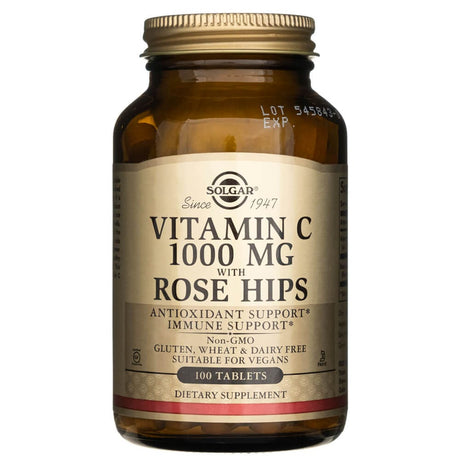


Solgar
Solgar Vitamina C 1000 mg com Rosa Mosqueta - 100 Comprimidos
Preço normal €14.49Preço unitário€0.14 cada item


Vitaler's
Vitaler's Vitamina C com Rosehip 1000 mg - 60 Cápsulas
Preço normal €4.49Preço unitário€0.07 cada item


Wellbear
Wellbear Vitamina C com Rosa Mosqueta 1000 mg - 60 Cápsulas
Preço normal €3.59Preço unitário€0.06 cada item
Progress Labs
Progress Labs Rosa mosqueta, Vitamina C natural - 300 g
Preço normal €16.99Preço unitário€56.63 /kg
Purelab Marek Skoczylas
Skoczylas Vitamina C (Rosa Mosqueta, Acerola, Acerola) - 60 Cápsulas
Preço normal €8.89Preço unitário€0.15 cada item


Suplementação com rosa-mosqueta: Quando a fruta inteira não está disponível Enough
A coleta e o preparo caseiro oferecem uma conexão maravilhosa com os ritmos sazonais, mas nem sempre são práticos. Suplementos padronizados de rosa-mosqueta — sejam formulações de vitamina C com extrato de rosa-mosqueta, cápsulas de rosa-mosqueta em pó, ou extratos concentrados — oferecem uma maneira confiável e conveniente de se beneficiar das propriedades dessa planta durante todo o ano.
Ao escolher um suplemento de vitamina C com roseira brava, procure produtos que especifiquem o teor de roseira brava e se ela contribui com bioflavonóides além do ácido ascórbico. A vitamina C natural da roseira brava é acompanhada por cofatores que podem aumentar a absorção e a atividade em comparação com o ácido ascórbico isolado. Para um suporte antioxidante mais amplo, combinar a roseira brava com outros compostos de origem vegetal é uma abordagem comum e bem fundamentada — explore nossa coleção de antioxidantes para opções complementares.
A Rosa Silvestre no Jardim e no Ecossistema
Além de seus usos na cozinha e no armário de remédios, a rosa silvestre desempenha um papel significativo nos ecossistemas locais. Como planta com flores, ela atrai polinizadores, incluindo abelhas e uma grande variedade de insetos. Seus frutos são uma importante fonte de alimento para as aves durante todo o inverno. Se você tiver espaço no jardim, plantar uma cerca viva de rosa silvestre contribui tanto para a biodiversidade quanto para um suprimento anual confiável de frutos — com manutenção mínima necessária depois que estiver estabelecida.
A coleta responsável é igualmente importante em ambientes selvagens: leve apenas o que você precisa, evite colher uma única planta inteiramente, e deixe a maior parte dos frutos para a vida selvagem, especialmente à medida que o inverno se aproxima.
Este artigo tem carácter meramente informativo e não substitui o aconselhamento médico. Em caso de problemas de saúde, gravidez, amamentação ou toma de medicamentos, consulte um médico ou farmacêutico. Os suplementos alimentares não substituem um regime alimentar variado.


