

Alho-do-urso (Allium ursinum), também conhecido como alho-bravo ou alho-silvestre, é apreciado há séculos tanto como ingrediente culinário como planta com uma longa tradição no apoio à saúde e ao bem-estar. Sendo uma das primeiras plantas a surgir no início da primavera, o alho-ursino cobre o solo da floresta com folhas verdes exuberantes antes que a maioria da restante vegetação desperte. Se alguma vez passeou por uma floresta de folhosas húmida em março ou abril e sentiu um aroma distinto a alho no ar, é quase certo que esteve perto de um canteiro de alho-ursino.
Como é o alho-urso?
O alho-urso cresce como uma planta rasteira, atingindo normalmente 20–45 cm de altura. As suas folhas são a sua característica mais reconhecível: largas, lisas, e em forma de lança, com uma cor verde viva e uma superfície superior brilhante. Cada planta produz normalmente duas folhas que emergem diretamente da base, em hastes longas que têm uma secção transversal distintamente triangular — um detalhe-chave para a identificação. Quando esmagadas ou esfregadas, as folhas libertam um aroma inconfundível e pungente a alho, o que constitui a forma mais fiável de confirmar o que encontrou.
De abril a maio, o alho-bravo produz cachos de pequenas flores brancas em forma de estrela, dispostas em umbelas arredondadas num único caule sem folhas. As flores são delicadas e atraentes e sinalizam que a época de colheita das folhas está a chegar ao fim. A parte subterrânea da planta é um pequeno bulbo branco alongado — mais estreito e mais delgado do que um dente de alho cultivado — fixado por raízes brancas e finas.
O aviso mais importante: plantas perigosas com aparência semelhante
O alho-urso partilha o seu habitat com duas plantas altamente tóxicas que se assemelham muito a ele na aparência, particularmente no início da primavera, antes de florescerem: lírio-do-vale (Convallaria majalis) e açafrão-de-outono (Colchicum autumnale). Ambas são venenosas e potencialmente fatais se consumidas, e ambas têm folhas verdes largas e lisas que podem ser facilmente confundidas com alho-ursino por um colhedor inexperiente.
Quando e como colher alho-silvestre
A época de colheita do alho-silvestre é curta e começa em março, atingindo o pico em abril e estendendo-se até ao início de maio, dependendo do clima local e da altitude. As folhas estão no seu melhor — mais saborosas e ricas em nutrientes — antes de a planta florescer. Assim que as flores brancas aparecem, as folhas tornam-se mais duras e amargas, e a planta começa a redirecionar a sua energia para o bolbo.
A altura ideal para a colheita é de manhã, depois de o orvalho ter secado. Colha folhas jovens e frescas individualmente, em vez de arrancar a planta inteira pela raiz, o que destruiria a colónia. A colheita sustentável significa não retirar mais do que um terço das folhas de qualquer área. O alho-urso cresce em colónias estáveis e regressa ano após ano, mas apenas se for tratado com cuidado.
Normalmente, encontra-se o alho-silvestre em bosques decíduos sombreados e húmidos — particularmente perto de ribeiros, em florestas de faias e carvalhos e em áreas com solo rico e bem drenado. Cresce frequentemente em grandes, tapetes densos, e o cheiro no ar irá guiá-lo antes mesmo de ver as plantas.
Usos tradicionais e propriedades para a saúde
O alho-ursino tem uma longa história na tradição herbal europeia. Tal como o seu parente cultivado, contém alicina — o composto de enxofre responsável pelo cheiro característico do alho — juntamente com vitamina C, polifenóis e flavonóides. Tradicionalmente, tem sido utilizado para apoiar a saúde digestiva, a circulação e a vitalidade geral na primavera, após os longos meses de inverno.
Em termos culinários, as folhas podem ser utilizadas frescas em pestos, saladas, sopas, e como erva aromática em pratos de pão ou ovos. Têm um sabor mais suave e mais verde do que o alho cultivado — mais herbáceo e menos picante — o que as torna versáteis na cozinha.
A nossa shop/collections/garlic inclui opções de marcas de confiança, tais como Now Foods, Solgar, Aliness, e Formeds, numa variedade de formatos adequados a diferentes preferências. Para um apoio à base de ervas mais abrangente, a nossa coleção de ervas abrange um vasto leque de suplementos à base de plantas com utilização tradicional em toda a Europa. Se o apoio imunológico é o seu foco principal, também encontrará uma gama cuidadosamente selecionada na nossa secção de suplementos para o sistema imunológico.

 10% de desconto
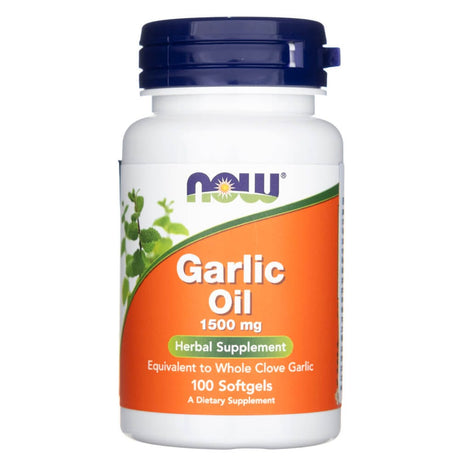
Now Foods
Now Foods Óleo de alho 1500 mg - 100 Cápsulas de Gel
Preço de venda €5.56 Preço normal €6.19Preço unitário€0.06 cada item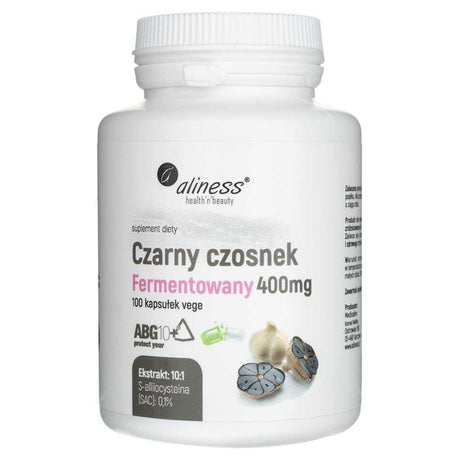


Aliness
Aliness Alho Preto Fermentado 400 mg - 100 Cápsulas
Preço normal €16.59Preço unitário€0.17 cada item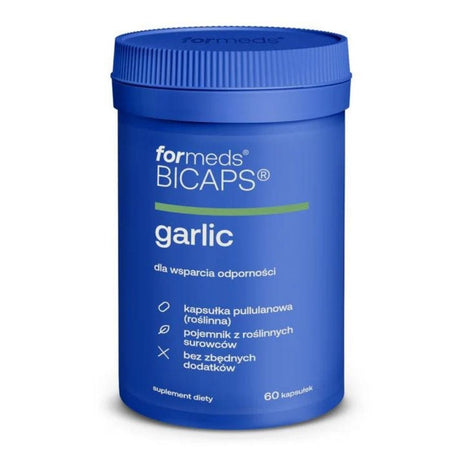


Medica Herbs
Medica Herbs Alho 620 mg - 60 Cápsulas
Preço normal €5.99Preço unitário€0.10 cada item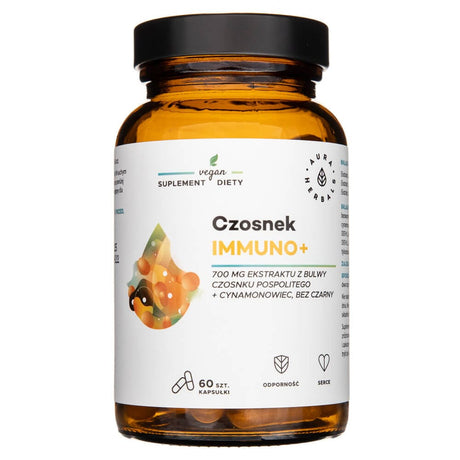


Aura Herbals
Aura Herbals Alho Immuno+ - 60 Cápsulas
Preço normal €7.29Preço unitário€0.12 cada item


Este artigo tem carácter meramente informativo e não substitui o aconselhamento médico. Em caso de problemas de saúde, gravidez, amamentação ou toma de medicamentos, consulte um médico ou farmacêutico. Os suplementos alimentares não substituem um regime alimentar variado.


