

Azedinha comum (Rumex acetosa), também conhecida como azedinha-de-jardim ou “a erva azeda,”, é uma planta que faz parte da culinária europeia e da medicina popular há séculos. Valorizada por seu valor nutricional e seu sabor ácido característico, a azedinha é uma das primeiras plantas comestíveis a surgir na primavera, tornando-se uma visão bem-vinda após os longos meses de inverno. Fácil de cultivar e amplamente disponível em toda a Europa, ela conquistou um lugar duradouro na culinária tradicional — e merece um olhar mais atento, além da clássica sopa de azedinha. Como é a aparência da azedinha comum? A azedinha comum é uma planta perene que normalmente cresce entre 30 e 90 cm de altura. Sua característica mais reconhecível são as longas folhas em forma de lança, que formam uma roseta basal e apresentam uma superfície verde-escura, levemente brilhante, com nervuras pronunciadas. Um detalhe característico é o formato da base da folha: ela possui dois lóbulos pontiagudos que envolvem o caule, formando uma pequena forma semelhante a uma flecha — um marcador de identificação confiável. As folhas têm um sabor visivelmente azedo e de limão devido ao seu teor de ácido oxálico. No final da primavera e início do verão, a azedinha produz hastes floridas altas e eretas, com cachos soltos de pequenas flores verde-avermelhadas. A planta é amplamente distribuída pela Europa, prosperando em prados, pastagens, margens de estradas, bordas de florestas e até mesmo em parques urbanos. É altamente adaptável e tolera uma ampla variedade de condições de solo e clima. Variedades cultivadas também são amplamente plantadas em jardins para uso como erva culinária.
Ácido oxálico: o que é e por que é importante
A azedinha deve seu sabor característico, forte e ácido, ao ácido oxálico (ácido etanodioico) — um composto orgânico encontrado naturalmente em muitas plantas, incluindo ruibarbo, espinafre, folhas de beterraba, e certas nozes e produtos de cacau. O ácido oxálico desempenha um papel no metabolismo das plantas e,, em quantidades moderadas na dieta humana,, é geralmente bem tolerado por indivíduos saudáveis.
No entanto,, o ácido oxálico também se liga a minerais como cálcio, magnésio, e ferro no trato digestivo, formando sais de oxalato que são mal absorvidos. Em grandes quantidades, esses compostos podem se acumular e contribuir para a formação de cálculos renais em indivíduos suscetíveis. Isso não torna a azedinha prejudicial para a maioria das pessoas, mas é uma consideração importante para aqueles com histórico de cálculos renais ou certas condições digestivas — consulte a seção de contraindicações abaixo.
Perfil nutricional e propriedades tradicionais para a saúde
Apesar da ressalva sobre o ácido oxálico, a azedinha é genuinamente nutritiva. As folhas frescas de azedinha são uma boa fonte de vitamina C, que contribui para o funcionamento normal do sistema imunológico e ajuda a reduzir o cansaço e a fadiga. Elas também contêm vitaminas do complexo B, vitamina E, e minerais, incluindo potássio, magnésio, e ferro. Historicamente, a azedinha era consumida na primavera, em parte porque fornecia vitamina C valiosa numa época em que as frutas frescas eram escassas após o inverno. A azedinha também contém polifenóis e flavonóides com propriedades antioxidantes, que podem ajudar a proteger as células do estresse oxidativo. Tradicionalmente, a planta tem sido usada na medicina popular europeia para apoiar a função digestiva — acreditava-se que sua natureza levemente ácida estimulava as secreções digestivas. Ela também tem sido usada como erva diurética, tradicionalmente associada ao apoio à saúde dos rins e do trato urinário, embora esses usos se baseiem em práticas tradicionais e não em evidências clínicas. Para uma ingestão confiável e consistente de vitamina C durante todo o ano, um suplemento de alta qualidade é um complemento prático às fontes alimentares sazonais. Explore nossos suplementos de vitamina C para uma variedade de opções de marcas confiáveis. Se você estiver interessado em apoiar os níveis de ferro — o que é particularmente relevante, já que o ácido oxálico da azedinha pode reduzir a absorção de ferro de fontes vegetais — nossos suplementos de ferro incluem fórmulas suaves, e bem toleradas.
Sopa de azedinha
A sopa de azedinha é um clássico da culinária primaveril da Europa Central e Oriental — simples, rápida, e cheia de personalidade. Esta versão é leve e cremosa.
Ingredientes (para 4 pessoas):
- 200 g de folhas jovens de azedinha, lavadas e picadas grosseiramente
- 1 litro de caldo de legumes
- 200 ml de creme de leite (18%)
- 1 cebola grande, descascada e picada finamente
- 2 colheres de sopa de azeite
- Sal e pimenta-do-reino a gosto
Modo de preparo:
- Aqueça o azeite em uma panela média em fogo médio. Adicione a cebola picada e refogue até ficar macia e translúcida.
- Adicione a azedinha picada e mexa por 1–2 minutos até que as folhas murchem.
- Despeje o caldo de legumes, deixe ferver, depois reduza o fogo e cozinhe em fogo brando por 10 minutos.
- Retire do fogo. Acrescente o creme de leite e tempere com sal e pimenta.
- Sirva quente, guarnecido com endro fresco ou fatias de ovos cozidos.
Pesto de azedinha
O pesto de azedinha é uma alternativa fresca, e picante ao clássico pesto de manjericão. Seu sabor acentuado combina perfeitamente com massas, legumes grelhados, pão, e carne.
Ingredientes:
- 100 g de folhas jovens de azedinha
- 50 g de pinhões (ou amêndoas descascadas)
- 50 g de parmesão ou outro queijo duro envelhecido, ralado fino
- 2 dentes de alho
- Aprox. 120 ml de azeite extravirgem
- Suco de meio limão
- Sal e pimenta-do-reino moída na hora a gosto
Modo de preparo:
- Lave e seque a azedinha. Misture a azedinha, pinhões, alho, e queijo no liquidificador ou processador de alimentos. Bata até obter uma pasta grossa.
- Com o motor ligado,, adicione gradualmente o azeite até atingir a consistência desejada.
- Adicione o suco de limão,, tempere com sal e pimenta,, e bata rapidamente para incorporar. O suco de limão também ajuda a preservar a cor verde brilhante.
Guarde o pesto em um pote fechado na geladeira com uma camada fina de azeite por cima para mantê-lo fresco. Consuma em até 3–4 dias.
Quem deve ter cuidado ao consumir azedinha?
A azedinha é segura para a maioria dos adultos saudáveis quando consumida em quantidades culinárias normais. No entanto,, certos grupos devem ter cautela ou consultar um profissional de saúde antes de consumi-la regularmente.
Apoiando seu bem-estar o ano todo
A temporada da azedinha é curta e sua disponibilidade depende inteiramente da horta ou do verdureiro. Para aqueles que desejam apoiar os mesmos aspectos de saúde associados à azedinha — ingestão de vitamina C, níveis de ferro, e bem-estar geral com ervas —, suplementos específicos oferecem uma opção consistente, durante todo o ano. Navegue pela nossa coleção de ervas para encontrar uma ampla variedade de suplementos à base de plantas com uso tradicional em toda a Europa, todos disponíveis com entrega rápida na UE.
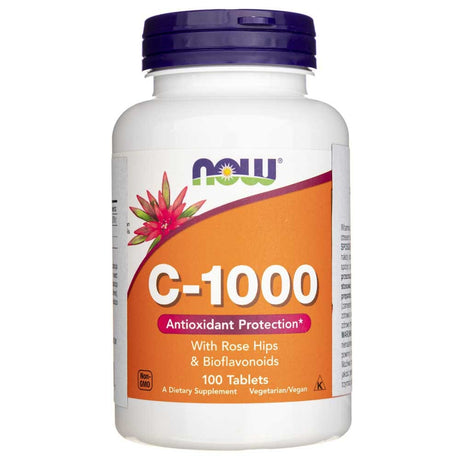


Now Foods
Now Foods Vitamina C-1000 com Rosa Mosqueta e Bioflavonóides - 100 Comprimidos
Preço normal €10.29Preço unitário€0.10 cada item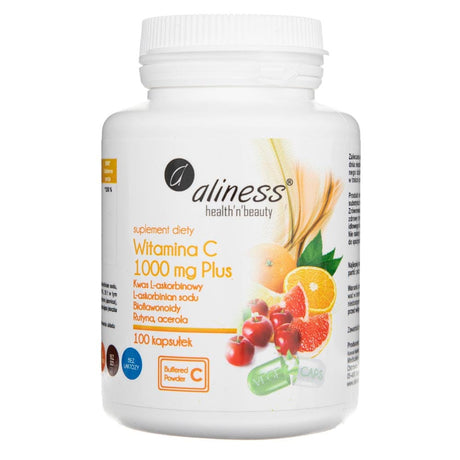


Aliness
Aliness Vitamina C 1000 mg - 100 Cápsulas Veg
Preço normal €11.79Preço unitário€0.12 cada item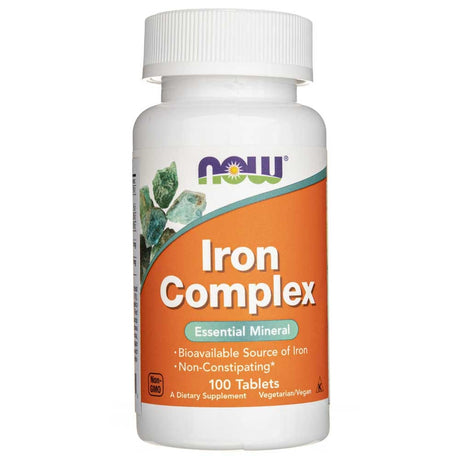


Now Foods
Now Foods Complexo Ferro - 100 Comprimidos
Preço normal €10.59Preço unitário€0.11 cada item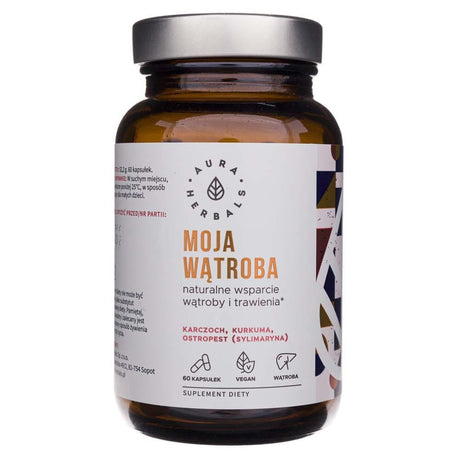


Aura Herbals
Aura Herbals Apoio ao Fígado - 60 cápsulas
Preço normal €11.29Preço unitário€0.19 cada item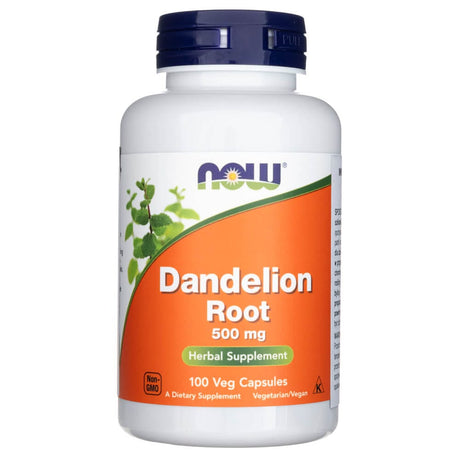


Now Foods
Now Foods Dente-de-leão raiz 500 mg - 100 Cápsulas vegetais
Preço normal €8.69Preço unitário€0.09 cada item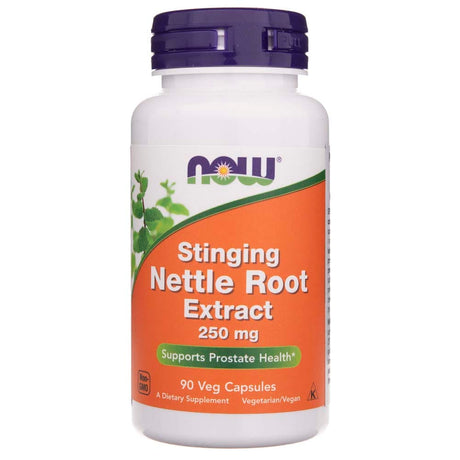


Now Foods
Now Foods Extratoo de Raiz de Urtiga 250 mg - 90 Cápsulas Veg
Preço normal €13.59Preço unitário€0.15 cada item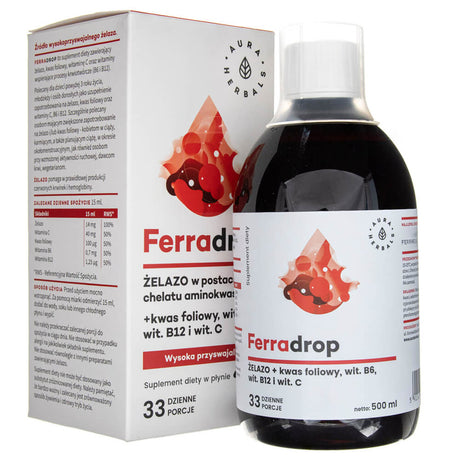


Aura Herbals
Aura Herbals Ferradrop - Ferro Líquido + Ácido Fólico - 500 ml
Preço normal €7.79Preço unitário€15.58 /L


Este artigo tem carácter meramente informativo e não substitui o aconselhamento médico. Em caso de problemas de saúde, gravidez, amamentação ou toma de medicamentos, consulte um médico ou farmacêutico. Os suplementos alimentares não substituem um regime alimentar variado.


