

Muitas pessoas têm dificuldade para adormecer todas as noites — e mesmo quando conseguem dormir, os despertares frequentes podem fazer com que o descanso pareça longe de ser revigorante. A falta de sono afeta tanto o bem-estar físico quanto a saúde mental, reduzindo a energia, o humor e a motivação ao longo do tempo. A boa notícia é que a natureza oferece várias ervas e compostos naturais que podem ajudar a promover um sono melhor e mais repousante. Se você está procurando alternativas suaves e naturais antes de recorrer a medicamentos para dormir, vale a pena explorar essas opções comprovadas pelo tempo.
Lavanda – Relaxe antes de dormir
A lavanda é uma das ervas mais conhecidas associadas ao relaxamento, e por um bom motivo. Seu óleo essencial contém linalol e acetato de linalilo — compostos que podem ajudar a acalmar um sistema nervoso hiperativo, aliviar a ansiedade e criar as condições mentais necessárias para que o sono surja naturalmente. A maneira mais prática de usar a lavanda para dormir é por meio da aromaterapia: adicione algumas gotas a um difusor ou lâmpada aromática no quarto cerca de 30 minutos antes de dormir. Esse ritual de inalação suave pode reduzir a tensão acumulada ao longo do dia, facilitando o relaxamento. A lavanda também é frequentemente incluída como ingrediente em suplementos para ajudar a dormir.
Se você quiser explorar produtos de aromaterapia à base de lavanda, nossa coleção de aromaterapia inclui uma variedade de óleos essenciais puros para rituais de relaxamento.
Erva-cidreira – Acalmando o sistema nervoso
A erva-cidreira (Melissa officinalis) tem sido usada há séculos como um nervino suave — uma erva que acalma o sistema nervoso. Seus compostos ativos, incluindo citral e cariofileno do óleo essencial, podem ajudar a reduzir a tensão nervosa, aliviar a inquietação relacionada ao estresse e facilitar suavemente o adormecimento. Uma xícara quente de chá de erva-cidreira antes de dormir é um remédio popular clássico que continua em voga, e os extratos de erva-cidreira estão agora amplamente disponíveis em cápsulas ou na forma líquida para uma dosagem mais consistente. É particularmente útil para aqueles cujas dificuldades de sono estão ligadas à hiperatividade mental ou à ansiedade leve.
Raiz de valeriana – Uma erva para o sono amplamente estudada
Valeriana (Valeriana officinalis) é uma das ervas mais pesquisadas para o sono e o relaxamento. Sua raiz contém ácido valerênico, que se acredita interagir com os receptores GABA no cérebro — a mesma via alvo de muitos medicamentos convencionais para o sono, embora com um efeito muito mais suave. A raiz de valeriana pode ajudar a reduzir o tempo que leva para adormecer, diminuir o despertar noturno, e aliviar a inquietação e a ansiedade antes do sono. Ela está disponível como suplemento, chá ou tintura e é um ingrediente-chave em muitas fórmulas naturais para o sono. Assim como acontece com muitos remédios fitoterápicos, o uso consistente ao longo de várias semanas tende a produzir os melhores resultados.
Explore nossa coleção de suplementos fitoterápicos para conhecer a valeriana, a erva-cidreira, e outros produtos botânicos disponíveis na Medpak.
Aqui estão alguns suplementos à base de ervas e naturais para ajudar a dormir, cuidadosamente selecionados de marcas confiáveis:
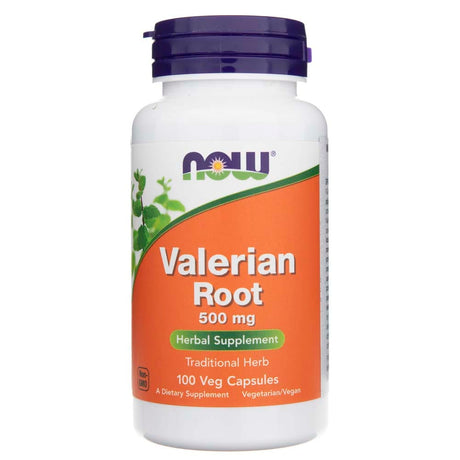


Now Foods
Now Foods Raiz de Valeriana 500 mg - 100 Cápsulas Veg
Preço normal €9.49Preço unitário€0.09 cada item

 10% de desconto
Haya Labs
Haya Labs Valeriana 250 mg - 60 Cápsulas
Preço de venda €8.15 Preço normal €9.09Preço unitário€0.14 cada item


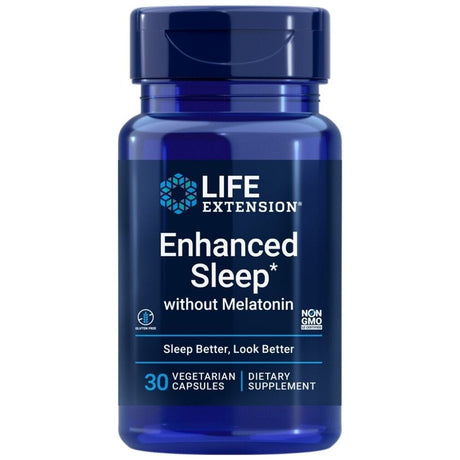

Life Extension
Life Extension Dormir melhor sem Melatonina - 30 Cápsulas
Preço normal €26.99Preço unitário€0.90 cada item


Melatonina – Reiniciando seu ciclo de sono
Ao contrário das ervas acima, a melatonina não é um sedativo — é um hormônio produzido naturalmente pela glândula pineal em resposta à escuridão. Ela atua como um sinal do corpo de que é hora de dormir, regulando o ritmo circadiano. A produção de melatonina diminui naturalmente com a idade (; pesquisas sugerem que ela pode cair em até um terço após os 40 anos), e fatores de estilo de vida, como trabalho em turnos, exposição à luz azul de telas, ou viagens frequentes entre fusos horários, podem perturbar ainda mais o ciclo natural de melatonina do corpo. A suplementação com doses baixas de melatonina — normalmente de 0,5 mg a 3 mg, tomadas 30 a 60 minutos antes de dormir — pode ajudar a restabelecer um horário de sono saudável sem a sonolência frequentemente associada aos remédios para dormir convencionais.
A melatonina é particularmente adequada para jet lag, perturbações causadas pelo trabalho em turnos, e para aqueles que têm dificuldade em adormecer na hora desejada. Está disponível em diversos formatos, incluindo comprimidos padrão, fórmulas de liberação prolongada para dormir por mais tempo, e gotas líquidas para uma absorção mais rápida.
Navegue por nossa seleção completa de suplementos de melatonina — de 0,5 mg a fórmulas de dosagem mais alta — para encontrar a opção certa para suas necessidades:


Vitaler's
Vitaler's Melatonina 1 mg - 240 Comprimidos
Preço normal €5.79Preço unitário€0.02 cada item


Vitaler's
Vitaler's Melatonin Forte 4 mg - 60 Comprimidos
Preço normal €4.79Preço unitário€0.08 cada item 10% de desconto
Ostrovit
Ostrovit Melatonina 1 mg - 180 Comprimidos
Preço de venda €3.68 Preço normal €4.09Preço unitário€0.02 cada item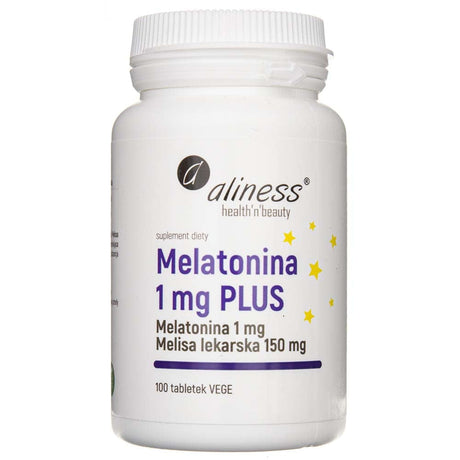

Aliness
Aliness Melatonina PLUS 1 mg - 100 Comprimidos
Preço normal €5.89Preço unitário€0.06 cada item


Outros compostos naturais que vale a pena considerar
Além das ervas clássicas para o sono, alguns outros compostos naturais estão ganhando reconhecimento por seu papel no apoio ao relaxamento e à qualidade do sono:
- L-teanina – um aminoácido encontrado naturalmente no chá verde, A L-teanina promove um estado de calma, e concentração sem causar sedação. É frequentemente usada para acalmar o fluxo de pensamentos e pode melhorar a qualidade do sono, especialmente para aqueles que lutam contra pensamentos acelerados à noite. Ashwagandha – um adaptógeno amplamente estudado que pode reduzir os níveis de cortisol e ajudar o corpo a lidar com o estresse de forma mais eficaz. Níveis cronicamente elevados de hormônios do estresse são uma causa subjacente comum para a má qualidade do sono.
- 5-HTP – um precursor da serotonina, que, por sua vez, é convertida em melatonina no cérebro. Algumas pessoas consideram o 5-HTP útil tanto para o humor quanto para o sono.
- Magnésio – frequentemente negligenciada, a deficiência de magnésio é surpreendentemente comum e está intimamente ligada a dificuldades de sono. O magnésio promove o relaxamento do sistema nervoso e pode ajudar a melhorar o início e a qualidade do sono.
Encontrando o apoio natural certo para o sono
Não existe uma solução única que funcione para todos quando se trata de sono. A abordagem certa depende da causa subjacente: o estresse e a ansiedade respondem bem a ervas adaptogênicas e L-teanina; ritmos de sono perturbados se beneficiam mais da melatonina; e a dificuldade em relaxar antes de dormir pode responder melhor à aromaterapia com lavanda ou à raiz de valeriana. Começar com opções mais suaves e observar como seu corpo responde é sempre uma abordagem sensata. Para problemas de sono persistentes ou graves, uma conversa com um profissional de saúde é sempre recomendada. Navegue por nossa coleção completa de suplementos para o sono https://medpak.shop/collections/sleep"> para explorar todas as opções disponíveis e encontrar o apoio que se adapta à sua rotina.
Este artigo tem carácter meramente informativo e não substitui o aconselhamento médico. Em caso de problemas de saúde, gravidez, amamentação ou toma de medicamentos, consulte um médico ou farmacêutico. Os suplementos alimentares não substituem um regime alimentar variado.


